Lab-grown meat could cost the same as animal meat by 2030. Will that sway grocery shoppers?

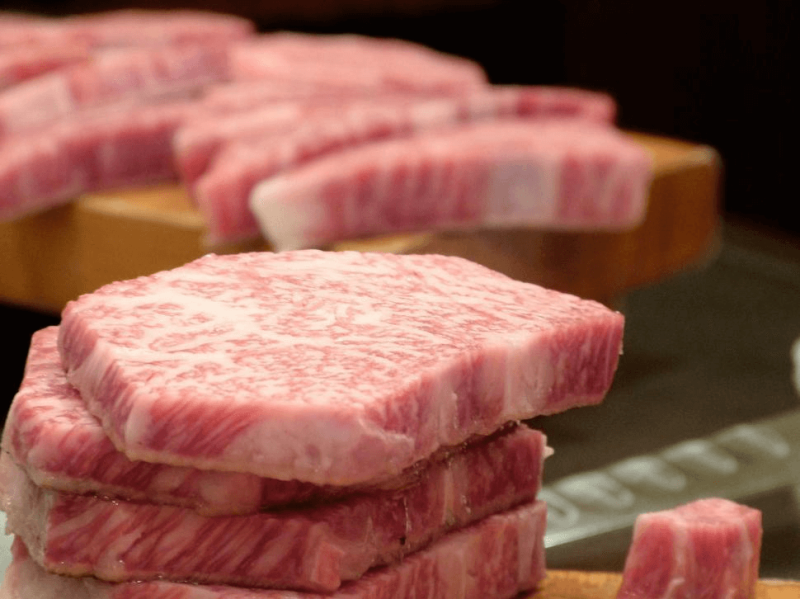
raw meat stacked
Credit: Freerange Stock (Public Domain)

Lab-grown meat could see a significant decrease in price if it continues its current trajectory, potentially matching conventional meat costs by 2030.

Cultivated meat, also known as lab-grown meat, is produced when animal cells are replicated using a bioreactor. The technique could reduce the reliance on farmlands. Livestock farming uses more than a quarter of the planet’s ice-free land and contributes to about 15% of global greenhouse gas emissions, according to a McKinsey & Co. report.

But the cost of producing this alternative has provided a barrier to most consumers. The first lab-produced beef burger cost a whopping $325,000 back in 2013. Producers have since slashed production costs by 99 percent to roughly $17 per pound.

Follow the latest news and policy debates on sustainable agriculture, biomedicine, and other ‘disruptive’ innovations. Subscribe to our newsletter.

Still, hurdles remain in both broad sentiment and price parity. Regulatory challenges, the need for substantial investments, supply chains, and shifting global meat consumption habits stand in the path of lab-grown meat’s broader acceptance.

Cultivated meat promises not only to match conventional meat in flavor but perhaps even surpass it. Freed from the constraints of industrial farming, manufacturers can replicate the cell lines of premium animals like ostrich or wild salmon.


This is an excerpt. Read the original post here

{{ reviewsTotal }}{{ options.labels.singularReviewCountLabel }}
{{ reviewsTotal }}{{ options.labels.pluralReviewCountLabel }}
{{ options.labels.noReviewsLabel }}
{{ options.labels.newReviewButton }}
{{ userData.canReview.message }}

Related Articles

Infographic: Global regulatory and health research agencies on whether glyphosate causes cancer

Infographic: Global regulatory and health research agencies on whether glyphosate causes cancer

Does glyphosate—the world's most heavily-used herbicide—pose serious harm to humans? Is it carcinogenic? Those issues are of both legal and ...

Most Popular

ChatGPT-Image-Mar-10-2026-01_39_01-PM
Viewpoint—“Miracle molecule” debunked: Why acemannan supplements don’t work
reverse-aging
Rapamycin: Here’s the skinny on the anti-aging pill that increases the lifespan—of mice by 10%
Screenshot-2026-07-01-at-2.49.48-PM
Dr. TikTok and male fertility: Viral claims tout GLP-1 drugs as fertility boosters. What does the science say?
ChatGPT-Image-Jul-17-2026-12_42_10-PM
Viewpoint: RFK, Jr. is setting up a panel to compensate people who claim they were injured by a COVID vaccine–no proof needed 
UK scientists support loosening restrictions limiting embryo research
Are we edging closer to precisely, and safely, editing human embryos?
a-mature-farmer-working-in-the-field-at-sunrise-harvesting-crops-generated-by-ai-photo
What’s the prospect of developing gene-altered crops that are more nutritious and resist climate disruption
ChatGPT-Image-Jun-25-2026-02_53_56-PM
Embryo gene editing is on the horizon, stirring mixed emotions
vitamin k refuse genai
More and more babies are developing uncontrollable bleeding—linked directly to vaccine deniers' rejection of vitamin K shots
ChatGPT-Image-Jun-25-2026-12_23_17-PM
No, Bill Gates did not secretly engineer ticks to promote veganism
Screenshot-2026-07-21-at-6.22.06-PM
The Indian physician’s one-woman battle against health disinformation on Wikipedia
png-upside-food-syn-bio-cultured-meat
Regulating cultured meat around the world
Screenshot 2025-09-17 at 12.41
Misinformation alert: No, glyphosate use in Canadian forests is not spurring more wildfires
glp menu logo outlined

Get news on human & agricultural genetics and biotechnology delivered to your inbox.