Greenhouse gas emissions from farming and the land use change that often accompanies it, such as clearing forests and drying out wetlands to make room for crops and livestock, amount to more than a fifth of global carbon output, according to the Intergovernmental Panel on Climate Change.
But discussions of the world’s food systems, their vulnerability and their impacts, are confined to the sidelines of the annual UN climate change negotiations and given scant attention.
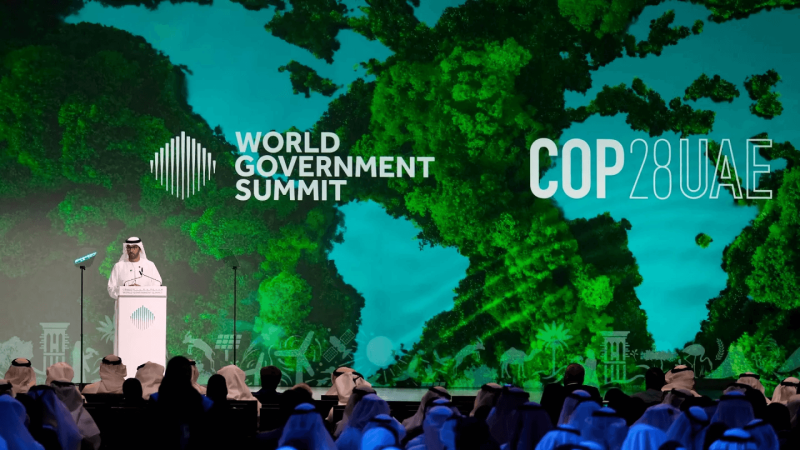
This year promises to be different. For the first time there will be a dedicated food day, and food, agriculture and water will be the focus of at least 22 major events during the fortnight of Cop28 talks in Dubai, from 30 November to 13 December, presided over by the United Arab Emirates. There will also be a dedicated Food4Climate pavilion in ExpoCity, where the talks will be held.

For the first time, too, the FAO will outline how food systems must change for the world to stay within the globally agreed goal of limiting temperature rises to 1.5C above pre-industrial levels, beyond which the impacts of the climate crisis on food systems will rapidly become catastrophic, and in some cases potentially irreversible.