Foods can fight inflammation. Here’s what to eat to reduce your risk of cardiovascular disease, stroke and more

Credit: G.steph.rocket via CC-BY-SA-4.0

In the last few decades, researchers including [surgical oncologist Jennifer] Wargo have accumulated evidence to support some key ingredients in a healthy diet that most effectively control inflammation and reduce the risk of cardiovascular disease, cancers, and other illnesses. Now, scientists are zeroing in on the community of bacteria that lives in our digestive systems—the gut microbiome—as the place where specific foods and ingredients, including fiber, elicit or inhibit inflammatory reactions that ultimately affect the trajectory of diseases and response to cancer treatment.

Follow the latest news and policy debates on sustainable agriculture, biomedicine, and other ‘disruptive’ innovations. Subscribe to our newsletter.

In modern times, inflammation has become a popular target for healthy eating, as a bulk of studies have accumulated to link a variety of foods and diets with both lower rates of disease and lower levels of inflammatory molecules circulating in the blood.

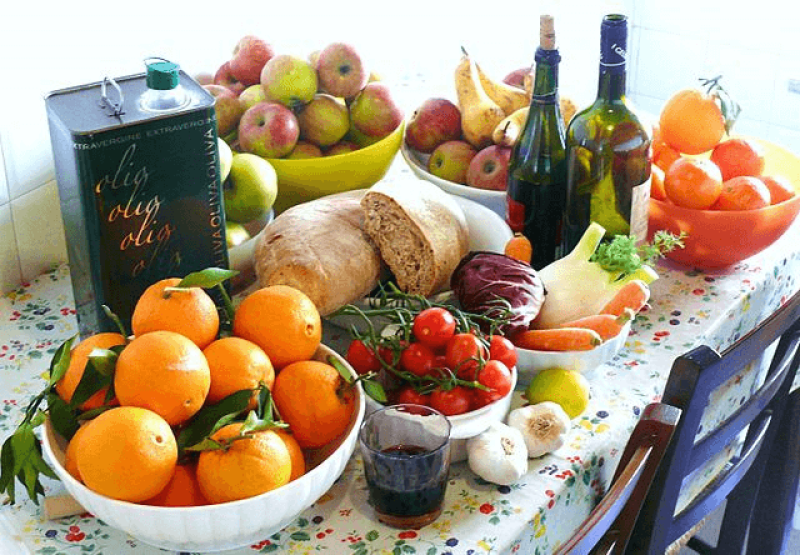
Although the true magnitude of these benefits remains a topic of debate—in part because studying diet is complicated and because people who eat healthier diets also often adopt other healthy behaviors—numerous studies have found lower levels of inflammatory molecules in the blood in people who eat Mediterranean-style diets. Studies in lab dishes, animals, and people also find anti-inflammatory responses to specific nutrients and ingredients, including turmeric, oily fish, apples, avocados, carrots, and leafy greens.


This is an excerpt. Read the original post here

{{ reviewsTotal }}{{ options.labels.singularReviewCountLabel }}
{{ reviewsTotal }}{{ options.labels.pluralReviewCountLabel }}
{{ options.labels.newReviewButton }}
{{ userData.canReview.message }}

Related Articles

Infographic: Global regulatory and health research agencies on whether glyphosate causes cancer

Infographic: Global regulatory and health research agencies on whether glyphosate causes cancer

Does glyphosate—the world's most heavily-used herbicide—pose serious harm to humans? Is it carcinogenic? Those issues are of both legal and ...

Most Popular

ChatGPT-Image-Jun-16-2026-10_29_11-AM
What’s behind Anthropic’s warning about the accelerating development of AI
ChatGPT-Image-Jun-16-2026-10_01_45-AM-2
Viewpoint—Recursive self-improvement: AI leader Anthropic calls for AI slowdown
Screenshot-2026-06-16-at-10.02.22-PM
Viewpoint: ‘Industrial food’ primer—Challenging the dangerous delusions of the alternative food movement
Screenshot-2026-06-17-at-11.57.12-AM
Viewpoint: Raw milk and the myth of safety—ProPublica exposes the growing anti-homogenization movement
ChatGPT-Image-Jun-9-2026-01_11_37-PM
Turmeric supplements: More risks than benefits
ChatGPT-Image-Jun-15-2026-02_31_28-PM-2
Trump-appointed cancer panel head backed by supplement and anti-vaccine companies promotes discredited support for ivermectin as a potential cure
ChatGPT-Image-Jun-4-2026-03_07_27-PM
AAP v. Kennedy: While a court challenge grinds on, RFK Jr. quietly advances his anti-vaccine conspiracy agenda
newborn infant baby mother
Facts & Fallacies Podcast: The truth about vitamin K shots
ChatGPT-Image-Mar-10-2026-01_39_01-PM
Viewpoint—“Miracle molecule” debunked: Why acemannan supplements don’t work
Screenshot-2026-06-16-at-11.23.32-AM
In a rebuke to RFK, Jr.’s anti-vax crusade, journal retracts study claiming hepatitis B vaccine–autism link
ChatGPT Image Jun 16, 2026, 12_03_37 PM
Kennedy accused of trying to ‘bully’ science journal that retracted study linking vaccines to infant deaths
Screenshot 2025-07-30 at 10.48
Can gene editing eliminate Down syndrome? Scientists have done it in lab-grown cells
Screenshot-2026-06-05-at-2.12.30-PM
Some plants can poison you. So how did humans figure out what is safe to eat?
glp menu logo outlined

Get news on human & agricultural genetics and biotechnology delivered to your inbox.