


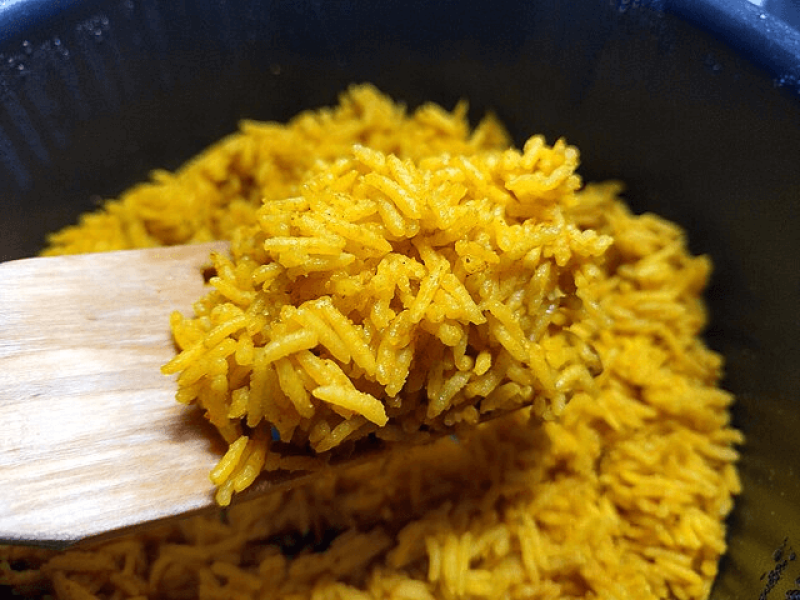

The Philippines started transplanting Golden Rice in the 2022 wet season, becoming the first country in the world to commercially cultivate the crop, locally branded as Malusog Rice (malusog is the Filipino word for healthy). The rice is being market-tested country-wide, with consumers giving it positive initial results.
In contrast, Bangladesh faces regulatory inertia, with approval for Golden Rice pending for six years since November 2017. Despite efforts by scientists to demonstrate Golden Rice’s safety and efficacy, bureaucratic delays have hindered its adoption by farmers, even as malnutrition remains a problem among vulnerable populations in the country.
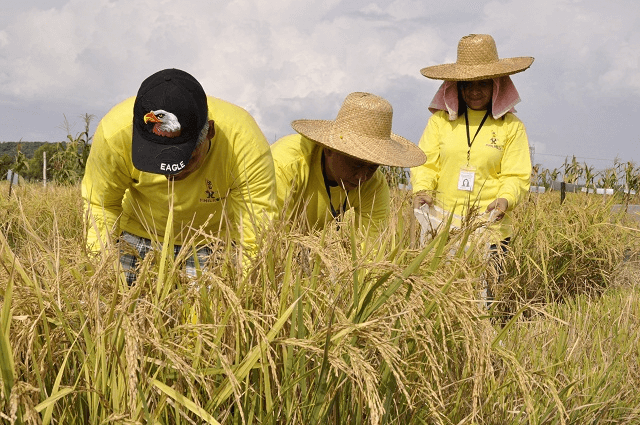
In the Philippines, the International Rice Research Institute (IRRI) and the Philippines Rice Research Institute report the successful cultivation of Golden Rice on 40 hectares in 2022, with plans to expand cultivation to ten percent of rice acreage by 2027.
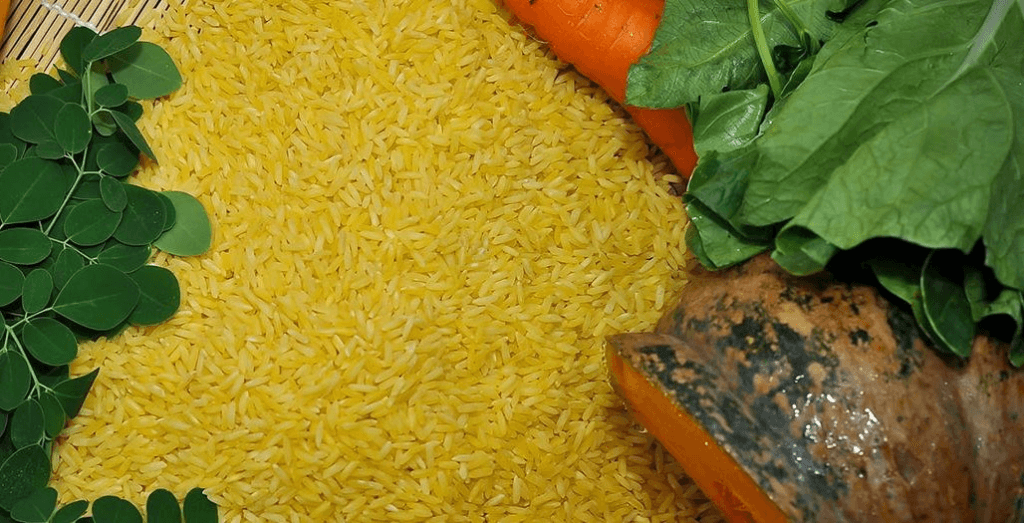
Golden Rice, engineered to produce beta carotene, offers a new way to combat malnutrition by providing a source of Vitamin A in rice — a staple crop that low-income households consume daily. The technology represents a significant breakthrough in crop biofortification, potentially improving public health outcomes and alleviating malnutrition. The Philippines’ adoption of Golden Rice also highlights the importance of collaboration between government agencies, research institutions, and the private sector in driving agricultural innovation.
Golden Rice represents just one facet of ongoing efforts to enhance the nutritional quality of staple crops. Scientists are exploring additional biofortification strategies to address micronutrient deficiencies such as iron and zinc.



Meanwhile, in Bangladesh, stakeholders continue to advocate for regulatory reforms to expedite Golden Rice’s approval process. The Alliance for Science understands that there are no scientific reasons for the delay and that Golden Rice has passed all required safety and environmental tests in the country. However, there appears to be little urgency among responsible government officials from the agriculture and the environment ministries to approve the release of the healthier rice. Instead, the approval process has reportedly been slowed by them requesting comments from other government agencies, which are not involved in the formal regulatory process.
Scientists and food security advocates remain hopeful that following the elections, Bangladesh’s new progressive environment minister, Saber Hossain Chowdhury, will take a more positive approach and push the country’s National Committee on Biosafety to unblock the regulatory process. If this happens, healthier Vitamin A-fortified rice could soon be on plates in Bangladesh and the Philippines, a happy outcome for these countries’ populations after so many years of waiting.
Paul Roberts is a British communications expert specializing in strategy, framing, messaging, and crisis communications. He has extensive expertise working in the Maldives and Asia on foreign policy, climate diplomacy, renewable energy policy, and democracy and governance. Paul has served as communications advisor to President Mohamed Nasheed, helping him to build an exceptional international profile. He is the founder of Atoll Communications, a Maldivian PR and communications firm. He is also the COO of the Maldives Coral Institute. Follow Paul on X @paulroberts79
A version of this article was originally posted at Alliance for Science and has been reposted here with permission. Any reposting should credit the original author and provide links to both the GLP and the original article. Find Alliance for Science on X @ScienceAlly



























