

The dark side of convenient foods: 32 health problems from heart disease to depression are associated with ultra-processed foods, new study claims

Credit: Tiia Monto via CC-BY-SA-3.0

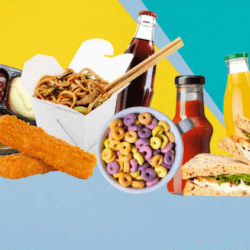
Many studies have indicated that ultra-processed foods are uniquely bad for our health. But the authors of this latest research, published [February 28] in the BMJ, say there hasn’t yet been a comprehensive, bird’s-eye view of the scientific literature surrounding these foods. To remedy that, they decided to conduct an “umbrella review”—a review of other reviews and meta-analyses on a particular topic.

All told, the team looked at data from 14 reviews that collectively involved nearly 10 million people, none of which were funded by manufacturers of ultra-processed foods. Across the board, they found that a higher exposure to these foods was associated with a higher risk of 32 health outcomes, from heart disease to trouble sleeping to depression. Greater intake of ultra-processed foods was also tied to a greater risk of dying from any cause (21% higher), as well as a greater risk of heart-related death specifically (66% higher).

Mis- and disinformation are distorting science and public policy. Subscribe to our Daily and Weekly Digests for incisive coverage of ‘disruptive’ innovations in AI, agricultural biotechnology, food, chemicals, nuclear energy, vaccines, and other disruptive innovations.

It can be very difficult to tease out just how unhealthy any one group of foods can be, and the authors note that the evidence for some of these links is much stronger than others. With conditions like Crohn’s disease, obesity, and colon cancer, for instance, the authors found weak to no evidence for a potential association. Conversely, the strongest evidence for a higher risk was seen with heart-related deaths, common mental health disorders, and type 2 diabetes.

This is an excerpt. Read the original post here

Related Articles

Infographic: Global regulatory and health research agencies on whether glyphosate causes cancer

Infographic: Global regulatory and health research agencies on whether glyphosate causes cancer

Does glyphosate—the world's most heavily-used herbicide—pose serious harm to humans? Is it carcinogenic? Those issues are of both legal and ...

Most Popular

ChatGPT-Image-Mar-10-2026-01_39_01-PM
Viewpoint—“Miracle molecule” debunked: Why acemannan supplements don’t work
Screenshot-2026-10-14-at-11.45.36-AM
Viewpoint: RFK Jr.’s stacked FDA advisory council endorses multicancer screening test from ethically- questionable company that would increase false positives and waste billions of dollars
Screenshot-2026-10-08-at-10.41.33-AM
Viewpoint: Wellness patches: Most vitamin supplements are useless and sometimes even dangerous, but this craze is even worse
Screenshot-2026-10-15-at-12.13.33-PM
Ahead of the midterms, Meta has paid at least 29 anti-LGBTQ accounts for their posts
newborn baby spit up gerd
Vaccine-preventable congenital infections are a leading driver of autism
glp menu logo outlined

Get news on human & agricultural genetics and biotechnology delivered to your inbox.
















