Addressing racial disparities in health research: $3 billion ‘All of Us’ genetic diversity project’s ‘trove of results’

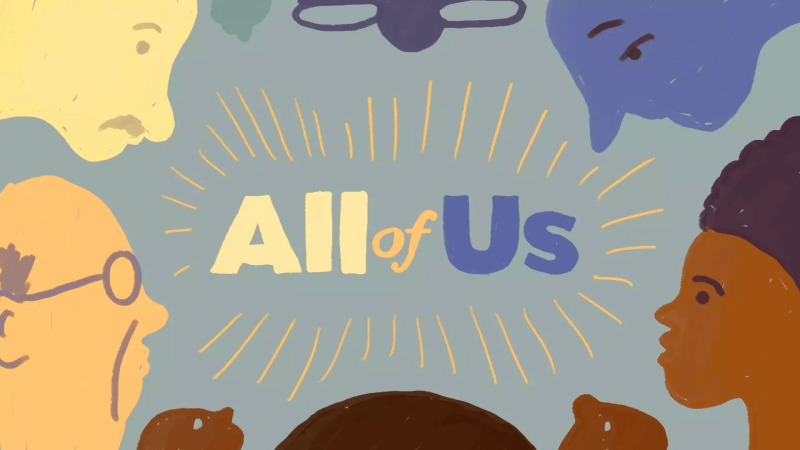
allofusanthem
Credit: All o Us

A big federal research project aimed at reducing racial disparities in genetic research has unveiled the program’s first major trove of results.

“This is a huge deal,” says Dr. Joshua Denny, who runs the All of Us program at the National Institutes of Health.

Follow the latest news and policy debates on sustainable agriculture, biomedicine, and other ‘disruptive’ innovations. Subscribe to our newsletter.

In a series of papers published in February in the journals NatureNature Medicine, and Communications Biology, the program released the genetic sequences from 245,000 volunteers and some analysis of those data.

“What’s really exciting about this is that nearly half of those participants are of diverse race or ethnicity,” Denny says, adding that researchers found a wealth of genetic diversity.

“We found more than a billion genetic points of variation in those genomes; 275 million variants that we found have never been seen before,” Denny says.

“Most of that variation won’t have an impact on health. But some of it will. And we will have the power to start uncovering those differences about health that will be relevant really maybe for the first time to all populations,” he says, including new genetic variations that play a role in the risk for diabetes.

This is an excerpt. Read the full article here

{{ reviewsTotal }}{{ options.labels.singularReviewCountLabel }}
{{ reviewsTotal }}{{ options.labels.pluralReviewCountLabel }}
{{ options.labels.newReviewButton }}
{{ userData.canReview.message }}

Related Articles

Infographic: Global regulatory and health research agencies on whether glyphosate causes cancer

Infographic: Global regulatory and health research agencies on whether glyphosate causes cancer

Does glyphosate—the world's most heavily-used herbicide—pose serious harm to humans? Is it carcinogenic? Those issues are of both legal and ...

Most Popular

ChatGPT-Image-Mar-10-2026-01_39_01-PM
Viewpoint—“Miracle molecule” debunked: Why acemannan supplements don’t work
ChatGPT-Image-Jun-25-2026-12_23_17-PM
No, Bill Gates did not secretly engineer ticks to promote veganism
ChatGPT-Image-Jun-19-2026-04_11_20-PM
Daubert for Dummies—Scientific Reliability in U.S. Courts: Daubert, Rule 702, and Made-for-Litigation Evidence
ChatGPT-Image-Jun-17-2026-10_52_43-AM
Anguished parents, doctors in tears: Utah’s long measles outbreak takes a toll
Screenshot-2026-06-22-at-9.04.46-PM
Kennedy's nutrition prescription for medical schools: Real problem, bad cure
Screenshot-2026-06-15-at-1.55.27-PM
America's trust in Trump-Kennedy's CDC health recommendations is plunging
ChatGPT-Image-Jun-15-2026-11_51_00-AM-4
Viewpoint: As the International Association for Research on Cancer loses influence, activists and trial lawyers scramble to protect a lucrative playbook
ChatGPT-Image-Jun-22-2026-01_30_11-PM
Facts & Fallacies podcast: Psychedelics for PTSD? Examining RFK, Jr's claims about ibogaine
Screenshot-2026-06-05-at-2.12.30-PM
Some plants can poison you. So how did humans figure out what is safe to eat?

Sorry. No data so far.

glp menu logo outlined

Get news on human & agricultural genetics and biotechnology delivered to your inbox.