When each of us is first born into this world, it might feel like the world was made for humanity. For the past few generations — now encompassing every living human being — there have been billions of us, spread out across every continent, with sprawling cities, towns, villages, and farms being home to most of us. And yet, the arrival of human beings on Earth was anything but an inevitability.
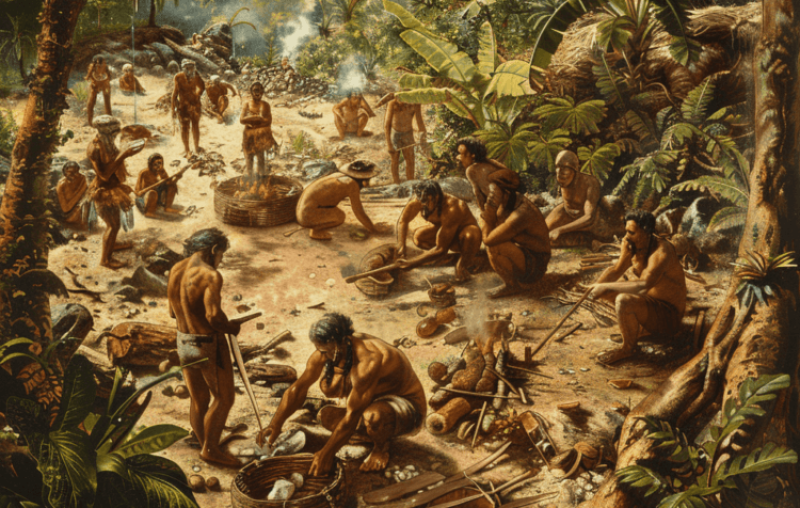
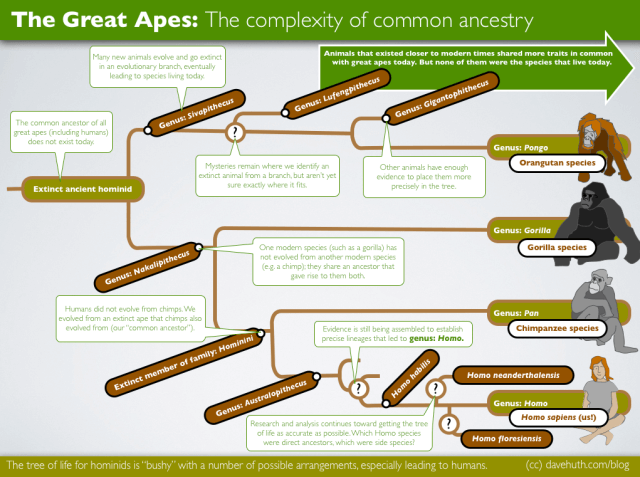
Very little is known about the early stages of human civilization, except that all three late-surviving hominids, human beings, Neanderthals, and the remaining populations of Homo erectus (plus, by some accounts, the Denisovans), all lived concurrently.
The world was warm and temperate initially, and then, around 115,000 years ago, the last glacial period arrived, compelling the surviving populations to move closer to equatorial latitudes. While human and Neanderthal populations continued to thrive, the last surviving Homo erectus population did not, as they went extinct either around this time or shortly before it.
…
As of approximately 34,000 years ago, Homo sapiens had driven every other modern hominid to complete extinction; we are the last survivors among our close relatives.

…
Over the course of the 20th and 21st centuries, a slew of developments have occurred that have fundamentally transformed our world. Our population passed 5 billion in 1986, and sits at more than 8 billion today.
[Editor’s note: This is part three of a series. Read part one and part two here.]