Raw milk provides ‘immunity’ from bird flu? Misguided beliefs spark spike in sales

Credit: Mother Jones

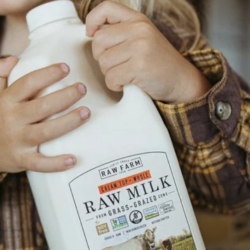
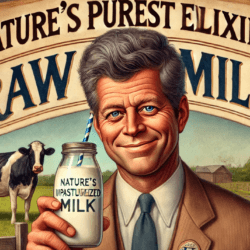
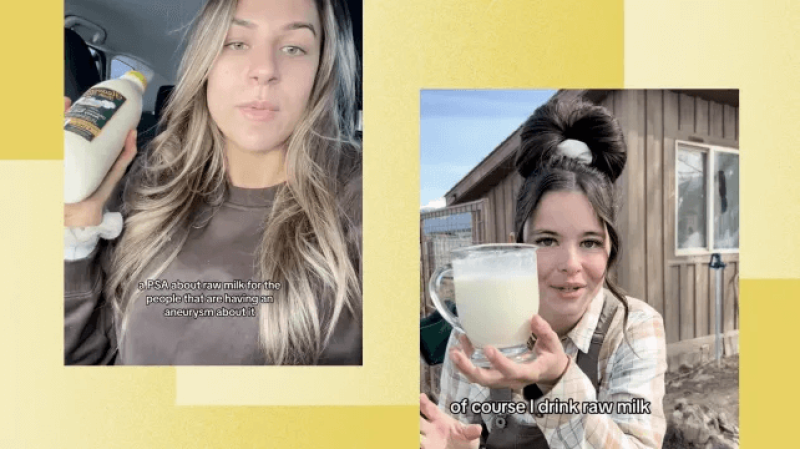
Sales of raw milk in the U.S. have risen 21% since bird flu was first confirmed in dairy cattle in late March, according to a report from PBS Newshour, citing new data from research firm NielsenIQ. Why on Earth would people drink raw milk at a time when pasteurization has been shown to kill the virus? Because some people believe intentionally being exposed to H5N1 will give them “immunity” to the disease. Seriously.

Mis- and disinformation are distorting science and public policy. Subscribe to our Daily and Weekly Digests for incisive coverage of ‘disruptive’ innovations in AI, agricultural biotechnology, food, chemicals, nuclear energy, vaccines, and other disruptive innovations.

Inactive viral remnants of H5N1 have been found in pasteurized milk but the USDA assures consumers it’s safe to drink. Raw milk, on the other hand, is showing “high concentrations” of the virus, according to the USDA, and consuming unpasteurized dairy products right now feels like playing Russian Roulette.

While there have been no known cases of human-to-human transmission of the virus, that has the potential to change if mutations occur. The World Health Organization has globally identified 889 human cases and 463 deaths from H5N1 since 2003, putting the mortality rate at roughly 52%.

Please don’t drink raw milk at any time, especially not now. Despite claims that there are nutritional benefits to raw milk, that’s simply not true, according to the CDC. The lone claim that holds up is that raw milk tastes better, something that’s obviously a matter of taste. And that’s a really stupid reason to get very, very sick—to say nothing about potentially kicking off a brand new human-centered pandemic that could kill half of everyone infected with it.


This is an excerpt. Read the original post here

Related Articles

Infographic: Global regulatory and health research agencies on whether glyphosate causes cancer

Infographic: Global regulatory and health research agencies on whether glyphosate causes cancer

Does glyphosate—the world's most heavily-used herbicide—pose serious harm to humans? Is it carcinogenic? Those issues are of both legal and ...

Most Popular

ChatGPT-Image-Sep-17-2026-12_28_43-PM
Vitamin D, omega-3 fish oil and glucosamine supplements could cause brain damage 
ChatGPT-Image-Mar-10-2026-01_39_01-PM
Viewpoint—“Miracle molecule” debunked: Why acemannan supplements don’t work
ChatGPT-Image-Sep-17-2026-10_17_15-AM
Viewpoint: Why are the less intelligent more likely to be conservative—and smarter people more socially liberal?
Screenshot-2026-09-10-at-12.20.19-PM
'Jet fuel didn't melt the steel': 9/11 conspiracy theories debunked
Screenshot-2026-09-16-at-12.07.47-PM
The heated debate over trans athletes in the WNBA
Screenshot-2026-08-12-at-11.31.46-AM
AI is helping develop new vaccines
ChatGPT-Image-Sep-9-2026-02_48_24-PM
Viewpoint: Trump-RFK Jr. report on “Gender Ideology & Left-wing Ideology’ targets LGBTQ community—and science
ChatGPT-Image-Sep-15-2026-12_15_00-PM
Viewpoint: Women, depression and empathy: Explaining the gender gap in views about child-murderer Lindsay Clancy
Screenshot-2026-09-17-at-10.24.54-AM
Viewpoint: Dubious environmental fears: Why the AI buildout is critical to America’s ecological future
Screenshot-2026-09-11-at-2.26.23-PM
Newly approved GMO chestnut trees planted across from the White House are stirring debate
Screenshot 2026-09-11 at 12.39
Child-monitoring apps: When the cure is worse than the harm—and how the technology could be tweaked
ChatGPT-Image-Sep-15-2026-11_36_23-AM
Doomsday cult? Why we should be suspicious of end-of-the-world claims
glp menu logo outlined

Get news on human & agricultural genetics and biotechnology delivered to your inbox.