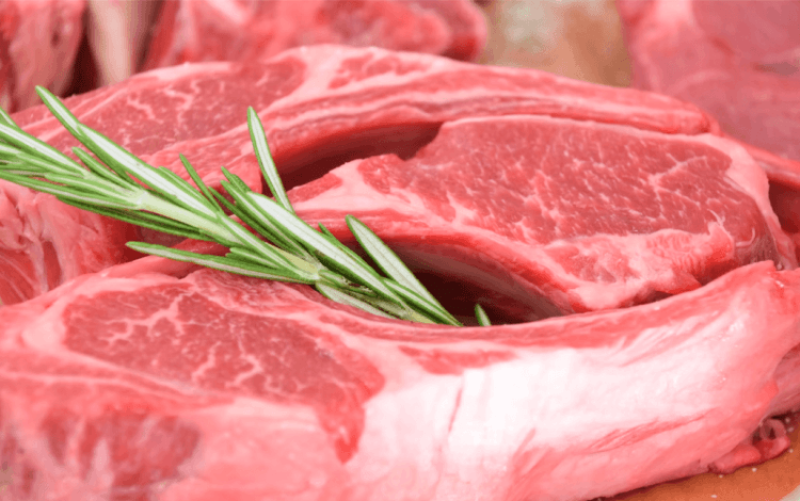
Eat like we were programmed by evolution? Then we’d eat whatever we want

Eat like we were programmed by evolution? Then we’d eat whatever we want
Credit: Unsplash/ Cindie Hansen

Meatfluencers, as they are known, often charac­terize their regimens as “ancestral,” made up of the foods our ancient predecessors ate. If this is what our ancestors ate, they argue, then this is what the human body is supposed to consume. “If you align your diet and lifestyle with millions of years of human and hominid evolution,” [influencer Paul] Saladino says in another TikTok appearance, “that is how humans thrive.”

Studies of the remains of our forebears, as well as observations of living primates and modern-day hunter-gatherers, refute the idea that humans evolved to subsist primarily on animals. Meat did play a significant role in our evolution. Yet that doesn’t mean we’re meant to eat like lions.

Follow the latest news and policy debates on sustainable agriculture, biomedicine, and other ‘disruptive’ innovations. Subscribe to our newsletter.

Hunting and gathering produces so many calories, in fact, that people can afford to share them with other group members, including children, whose brains take longer to develop than in other species and who need more time to learn how to fend for themselves. A strict plant eater can’t do that, because although the number of calories one can get every day eating plants is very dependable, it might not be high enough to produce a surfeit of calories. A strict meat eater, on the other hand, will have long periods of famine between feasts that do not, on average, generate extra calories. But when we put those two things together, Pontzer observes, we generate a surplus. And that surplus, he surmises, is the variable that’s made energetically expensive human things such as large brains and extended childhood possible.


This is an excerpt. Read the full article here

{{ reviewsTotal }}{{ options.labels.singularReviewCountLabel }}
{{ reviewsTotal }}{{ options.labels.pluralReviewCountLabel }}
{{ options.labels.newReviewButton }}
{{ userData.canReview.message }}

Related Articles

Infographic: Global regulatory and health research agencies on whether glyphosate causes cancer

Infographic: Global regulatory and health research agencies on whether glyphosate causes cancer

Does glyphosate—the world's most heavily-used herbicide—pose serious harm to humans? Is it carcinogenic? Those issues are of both legal and ...

Most Popular

Screenshot-2026-03-13-at-12.14.04-PM
The FDA wants to make many popular prescription drugs OTC—a great idea. Here’s why it’s unlikely to happen
Screenshot-2026-05-04-at-12.54.32-PM
How Utah became the country’s supplement capital  — and a haven for unregulated, ineffective and fake products
Screenshot-2026-04-20-at-2.26.27-PM
Viewpoint — Food-fear world: The latest activist scientists campaign: Cancer-causing additives
Screenshot-PM-24
Viewpoint: The herbicide glyphosate isn’t perfect. Banning it would be far worse.
images
The never-ending GMO debate: Pros and cons
Screenshot-2026-05-01-at-11.56.24-AM
‘Science moves forward when people are willing to think differently’: Memories of DNA maverick Craig Venter
Screenshot-2026-04-03-at-11.15.51-AM
Paraben panic: How a flawed study, media hype, and chemophobia convinced the public of the danger of one of the safest classes of preservatives
Screenshot-2026-04-30-at-2.19.37-PM
5 myths about summer dehydration that could damage your health — or even kill you
79d03212-2508-45d0-b427-8e9743ff6432
Viewpoint: The Casey Means hustle—Wellness woo opportunism dressed up as medical wisdom
bigstock opioids on chalkboard with rol
GLP podcast: 'Safe injection sites': enabling drug addiction or saving lives?
ChatGPT-Image-May-1-2026-02_20_13-PM
How RFK, Jr.’s false vaccine claims are holding up $600 million to fight diseases in poor countries
glp menu logo outlined

Get news on human & agricultural genetics and biotechnology delivered to your inbox.