Removing both ovaries can have overlooked brain health consequences in the long run

Removing both ovaries can have overlooked brain health consequences in the long run
Credit: Pixabay/ LJ Nova Scotia

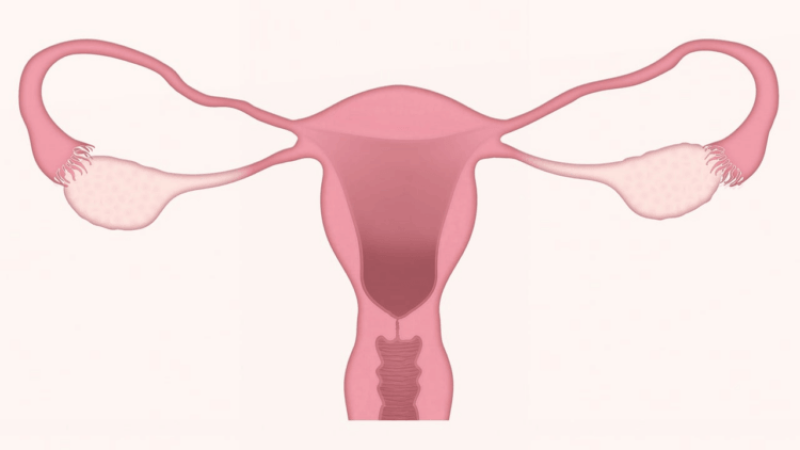
The ovaries are involved in far more than just reproduction. The two oval-shaped glands that float on either side of the uterus don’t just produce and release eggs, they also pump out hormones that help keep a person’s heart, bones, brain, and immune system healthy as they age.

A new brain imaging study has scientists concerned that the surgical removal of both ovaries can have overlooked health consequences in the long run.

The analysis included data from more than 1,000 females over the age of 50 in the US. Participants who had both ovaries removed before the age of 40 showed reduced white matter in several parts of their brain compared to 907 females under the age of 50 who had not undergone the same procedure.

Mis- and disinformation are distorting science and public policy. Subscribe to our Daily and Weekly Digests for incisive coverage of ‘disruptive’ innovations in AI, agricultural biotechnology, food, chemicals, nuclear energy, vaccines, and other disruptive innovations.

The observed changes resembled vascular brain disease more closely than Alzheimer’s, the researchers note, but it’s also true that these are “early, preclinical features of [Alzheimer’s disease] pathology.”

Recent research has found that patients who’ve had both of their ovaries removed before they hit menopause face a higher risk of cognitive impairment and dementia later in life.

…

While testosterone is often thought of as a male hormone, it is also produced by the ovaries, and it plays a critical role in the female body. The hormone is also linked to white matter integrity in the brain.

If the ovaries are taken out of the body before menopause, the sudden loss of testosterone could have negative effects on the brain’s development.


This is an excerpt. Read the full article here

Related Articles

Infographic: Global regulatory and health research agencies on whether glyphosate causes cancer

Infographic: Global regulatory and health research agencies on whether glyphosate causes cancer

Does glyphosate—the world's most heavily-used herbicide—pose serious harm to humans? Is it carcinogenic? Those issues are of both legal and ...

Most Popular

ChatGPT-Image-Mar-10-2026-01_39_01-PM
Viewpoint—“Miracle molecule” debunked: Why acemannan supplements don’t work
Wave Crest Over Red Cross
Viewpoint: Here are the election-inspired Trump administration healthcare policy reversals expected in the coming months
Bayer Crop Circle in Golden Wheat
Making fertilizer from thin air: Bayer’s gene-editing innovation could dramatically cut chemical fertilizer use in growing food
Aerial Sprayer Over Gradient Fields
Farming, food, and chemicals: Post-midterms, the MAHA alliance between Democrats and MAGA Republicans is bruised but not cowed. What comes next?
Screenshot 2026-07-29 at 10.40
The COVID vaccine turbo cancer scare is back. Science still proves it’s wrong.
ChatGPT-Image-Sep-2-2026-02_03_32-PM
How much of a problem is AI’s water use?
Microscopic IVF Egg Injection
With technical barriers to human embryo editing falling, ethical concerns escalate
Democratic Donkey Plowing at Sunset
Viewpoint: Democratic tsunami: As the red tide recedes, here are the most likely shifts in food and agricultural policy
glp menu logo outlined

Get news on human & agricultural genetics and biotechnology delivered to your inbox.