Podcast:
Podcast: Play in new window | Download
Subscribe: RSS
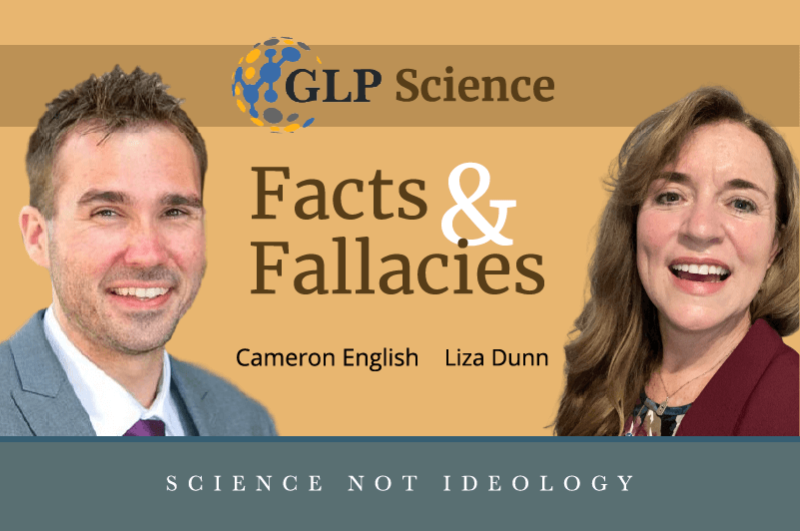
Join hosts Dr. Liza Dunn and GLP contributor Cameron English on episode 276 of Science Facts and Fallacies as they break down these latest news stories:
The story most people know about the opioid epidemic is that pharmaceutical companies mass produced prescription painkillers and hooked many unsuspecting patients on these addictive drugs. After they lost easy access to opioids because of heightened restrictions on painkiller prescribing, these newly minted addicts took to the street to acquire illicit heroin. The reality is much more complicated. Let’s take a look at some of the critically important details that are left out of the popular opioid epidemic story.





There’s a new chemical scare loose in the headlines. This time it’s fueled by trace amounts of a solvent called methylene chloride, which is used to decaffeinate coffee. After most of the caffeine is removed from coffee, trace amounts of methylene chloride remain. The activist group Environmental Defense Fund (EDF) has pounced on this benign observation, using it to pressure the FDA to ban the chemical from coffee. Should we fear our exposure to tiny amounts of methylene chloride? Let’s examine the evidence.
If you’re concerned about the environmental impact of your diet, eating locally produced organic food is probably not doing as much good as you think. Paradoxically, eating conventional food grown on the other side of the world and shipped to you may actually be much better for the planet in some cases. How can that be? Basic economics may help us find an answer.
Dr. Liza Dunn is a medical toxicologist and the medical affairs lead at Bayer Crop Science. Follow her on X @DrLizaMD
Cameron J. English is the director of bio-sciences at the American Council on Science and Health. Visit his website and follow him on X @camjenglish