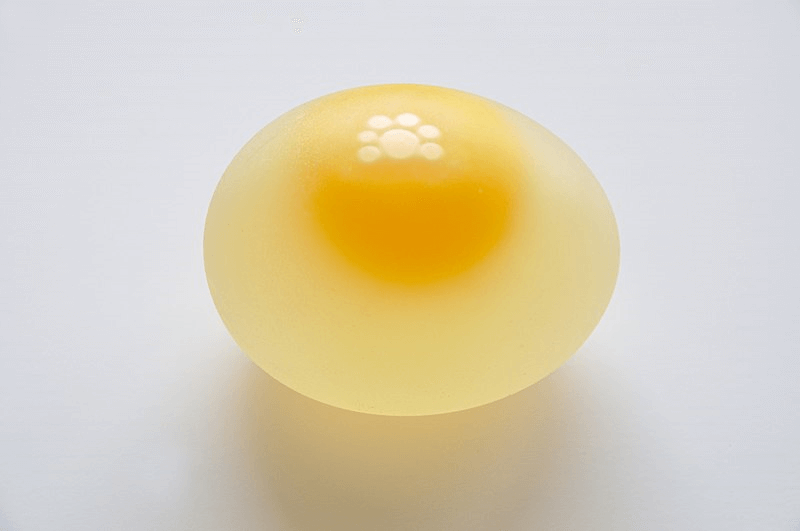
Startup Hatchless produces poultry from infertile chicken eggs — no slaughtering needed

Credit: Biswarup Ganguly via CC-BY-3.0

Frustrated by “a lot of shortcomings” in the cultivated meat industry that held back production and increased prices, Hatchless CEO Vahid Hosseini said he ultimately turned to nature for a more efficient and effective process.

“The egg is a miracle. It has [all the] ingredients and is self-sufficient” at producing tissue without the piping, flooding, mixing and other processes that many cultivated meat companies are trying to reproduce, he explained to FoodNavigator.

…

To recreate the miracle of the egg […] Hatchless made what it calls a “scalable production unit,” which Hosseini said one person fondly dubbed an “egg bioreactor,” in which poultry cells from an infertile egg can grow and be harvested multiple times without the addition of chemicals, growth factors, hormones, enzymes, antibiotics or genetically modified cells.


Mis- and disinformation are distorting science and public policy. Subscribe to our Daily and Weekly Digests for incisive coverage of ‘disruptive’ innovations in AI, agricultural biotechnology, food, chemicals, nuclear energy, vaccines, and other disruptive innovations.

By reducing reliance on living chickens, the Hatchless team says their technology will help reduce animal disease outbreaks, the risk of contamination related to food poisoning, and greenhouse gas emission associated with raising and processing chickens.

They say their approach also is less expensive than conventional and cultivated poultry, because it sidesteps the causes of price volatility associated with conventional egg production and uses less energy and has a greater yield than current cultivated meat production using bioreactors.


This is an excerpt. Read the original post here

Related Articles

Infographic: Global regulatory and health research agencies on whether glyphosate causes cancer

Infographic: Global regulatory and health research agencies on whether glyphosate causes cancer

Does glyphosate—the world's most heavily-used herbicide—pose serious harm to humans? Is it carcinogenic? Those issues are of both legal and ...

Most Popular

ChatGPT-Image-Mar-10-2026-01_39_01-PM
Viewpoint—“Miracle molecule” debunked: Why acemannan supplements don’t work
generated-1790707585414
Facts & Fallacies podcast: America's health care system is broken. A doctor explains how to fix it
ChatGPT-Image-Sep-30-2026-01_11_07-PM
How U.S. teamed with Russia to block global human AI weapons oversight
ChatGPT-Image-Sep-23-2026-02_36_39-PM
Viewpoint: After firing the entire National Science Board, Trump reshapes funding initiatives. Here’s the good and the bad.
Screenshot-2026-09-29-at-11.06.43-AM
Astrology, homeopathy, vaccine rejectionism, creationism: Why pseudoscience thrives as science advances
ChatGPT-Image-Sep-21-2026-03_15_09-PM
Viewpoint: Chipotle-inspired lesson: 10,000 sick customers suggest that processed foods can be safer than fresh ones
ChatGPT-Image-Sep-2-2026-02_03_32-PM
How much of a problem is AI’s water use?
ChatGPT-Image-Sep-29-2026-12_16_42-PM
Social media influencers are driving food misinformation across Europe
ChatGPT-Image-Sep-22-2026-11_17_31-AM
The exploding controversy over AI’s built-in survival drive
glp menu logo outlined

Get news on human & agricultural genetics and biotechnology delivered to your inbox.