Just a few years ago, the alternative protein industry promised to revolutionize the way people eat burgers: They would still sizzle and bleed, they’d taste great, but they wouldn’t actually contain any meat. Today it seems that, if that revolution is still coming, its arrival has been more than a little delayed. Sales of plant-based meat and seafood have fallen over the last two years, and a recent bevy of headlines suggest that this latest wave of imitation meat was just that: a passing fad.
…
But like the EV industry before it, alternative meat has a culture war problem to sort out before it can grow — with or without government investment.
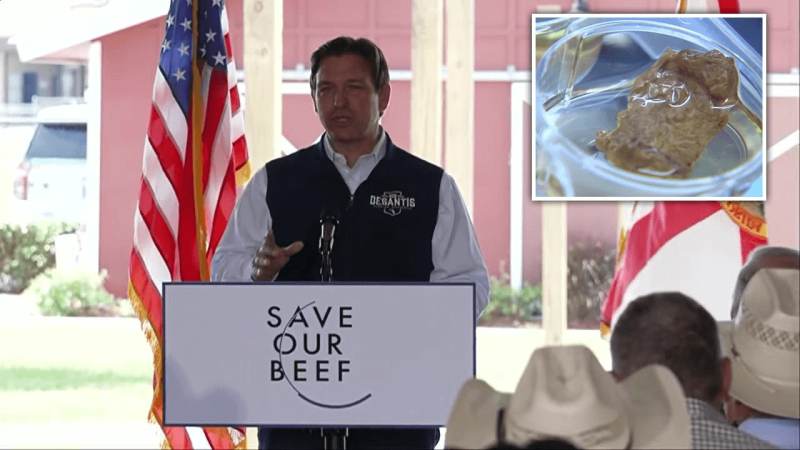
Still, for the U.S. to back alternative proteins in the same way it has helped to spur the adoption of EVs would require a political sea change. Fears of climate policies eliminating meat from the American diet loom large over the conservative movement. A 2023 study found that Republicans said they were less likely to vote for a hypothetical candidate who said, “It’s time for us to work together as a nation to reduce our reliance on meat and dairy and focus on solutions like plant-based foods and artificial meats instead.” […] This fear has resulted in a backlash against alternative proteins: In May, Florida and Alabama banned the manufacture and sale of lab-grown meat.

Crafting an effective narrative to counter entrenched beliefs about meat versus plant-based foods will be key to the industry’s success, said Samantha Derrick, the founder of Plant Futures.