When a dye called tartrazine is added to food, it creates a bright yellow hue often associated with lemon-flavored candy. But when mixed with a little water and daubed on the skin of mice, the dye makes their skin nearly transparent.
Researchers reported the new use for the common food dye … in the journal Science. The technique creates a fresh opportunity for researchers to understand what is going on under the skin of a live animal, which could eventually allow them to study the inner workings of large organs or how diseases change the body.

…
Tissue clearing isn’t a new idea — researchers as far back as 1914 were mixing chemicals to make tissue transparent. But researchers have historically been limited to working with samples of dead tissue because the chemicals — mostly different kinds of acids and alcohols — were not safe for living creatures.

…
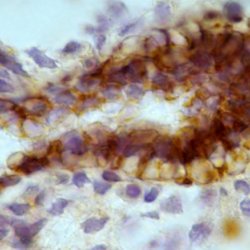
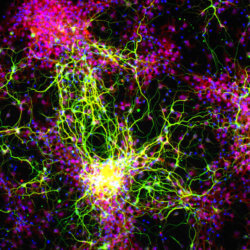
When the technique is combined with high-powered microscopes, it allows scientists to see deep tissue in more detail than other imaging techniques like CT scans or MRIs.