
[T]he UK is among the countries that lead the world in gene editing. Last year the previous government passed the Precision Breeding Act, which paved the way for the commercial sale of gene-edited food in England. At the time, many scientists working in the field were overjoyed.
But [Profesor Jonathan Napier of Rothamsted Research] says his hopes were soon dashed.
For the law to come into effect, secondary legislation was required, and this was due to be passed by Parliament this July. But the earlier-than-expected election meant that it was not voted on by MPs and the Act is currently in limbo.
Prof Napier was among 50 leading scientists to write to the newly appointed ministers at the Department for Food and Rural Affairs (Defra) at the end of July asking them to act “quickly and decisively” to pass the secondary legislation.


…
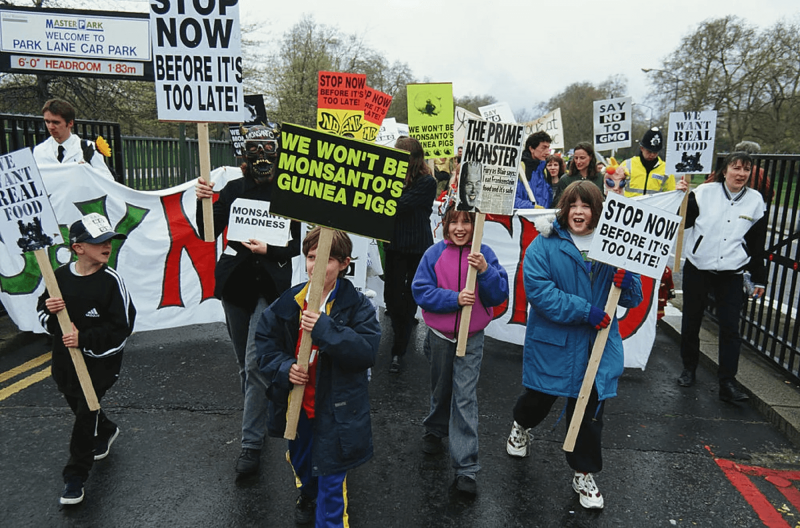
But Defra ministers also have to consider the views of environmental campaigners, such as Dr Helen Wallace of Genewatch UK, who have concerns about the “unwanted consequences” of the Precision Breeding Act.
“If you remove these plants and animals from GM regulations then you don’t have the same degree of risk assessment, you don’t have labelling and you risk markets because many of them regulate them as GMOs,” she says.