Loneliness epidemic: As we become more and more isolated, tech companies search for solutions

Credit: The University of Queensland

Despite being more connected than ever, we’re pretty lonely right now. So lonely, in fact, that the World Health Organization has even declared the โ€˜loneliness epidemicโ€™ aย global public health concern. Roughly aย quarter of the world reported feeling isolated, with young people making up the brunt of that figure. In other words, weโ€™re facing a crisis. So, whatโ€™s the answer?

Follow the latest news and policy debates on sustainable agriculture, biomedicine, and other ‘disruptive’ innovations. Subscribe to our newsletter.

While there are plenty of tech-based attempts to address loneliness available, theyโ€™re all relatively primitive in their approach, designed to be temporary fixes to the symptoms of loneliness, rather than a solution to the causes of it.

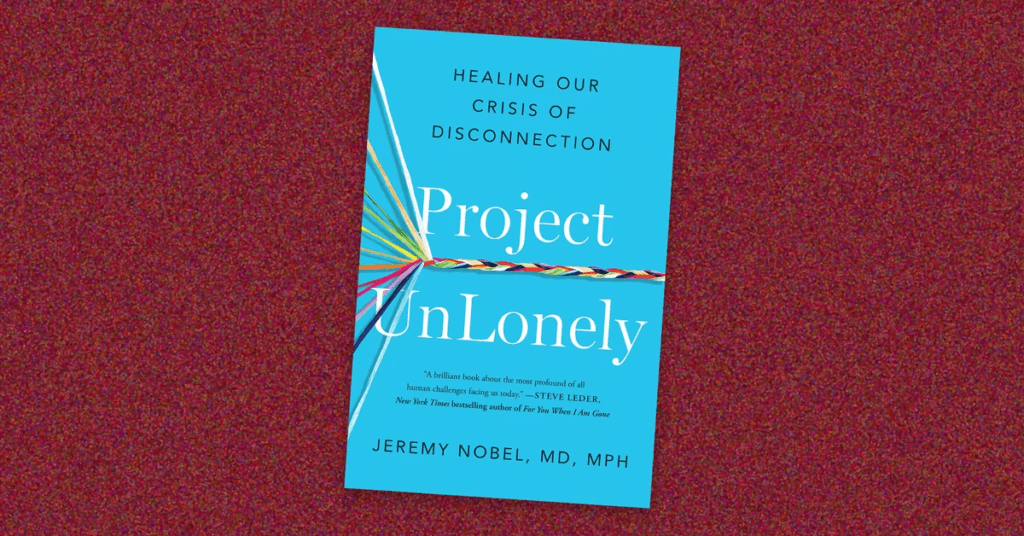
[W]earables could incorporate loneliness sensors, tracking indicators of a period of loneliness. โ€œThe wearable could be paired with an app. When it notices the signs, it could offer suggestions. Maybe to meet up with a friend or something as simple as going out in public to feel more connected to society,โ€ says Dr Jeremy Nobel, author of the book Project UnLonely.


Credit: Harvard Public Health

A variety of apps, wearables and gadgets are emerging that, when combined, are able to address the variety of types of loneliness weโ€™re facing today.

This is an excerpt. Read the original post here

{{ reviewsTotal }}{{ options.labels.singularReviewCountLabel }}
{{ reviewsTotal }}{{ options.labels.pluralReviewCountLabel }}
{{ options.labels.newReviewButton }}
{{ userData.canReview.message }}

Related Articles

Infographic: Global regulatory and health research agencies on whether glyphosate causes cancer

Infographic: Global regulatory and health research agencies on whether glyphosate causes cancer

Does glyphosateโ€”the world's most heavily-used herbicideโ€”pose serious harm to humans? Is it carcinogenic? Those issues are of both legal and ...

Most Popular

Screenshot 2025-07-30 at 10.48
Can gene editing eliminate Down syndrome? Scientists have done it in lab-grown cells
ChatGPT Image May 26, 2026, 08_42_17 AM (1)
Viewpoint: Greenpeace and poison: How environmental advocacy groups rely on compliant (and often ignorant) journalists to spread disinformation and spark litigation
ChatGPT Image May 26, 2026, 08_21_36 AM
Limiting gender affirming interventions: Trump administration targets Texas even though it already bans youth access
Screenshot-2026-05-28-at-1.36.28-PM
Viewpoint: Can mRNA research survive the Trump administration?
Screenshot-2026-06-03-at-1.24.46-PM
Challenging anti-GMO disinformation: Why genetically-tweaked crops offer bushels of benefits
ChatGPT-Image-Jun-2-2026-03_04_17-PM
Viewpoint: Why the hyper-promoted doping โ€˜enhanced gamesโ€™ pseudo Olympics flopped
ChatGPT-Image-May-26-2026-07_51_21-AM-2
Viewpoint: There are more than 1,000 chemicals in a cup of coffeeโ€”including many substances that can cause cancer. Why isnโ€™t it banned?
ChatGPT-Image-Jun-3-2026-12_33_40-PM-2-1
Viewpointโ€”The end of โ€˜ivory tower scienceโ€™: What does that even mean, and what comes next
Picture1
Sounds we canโ€™t hear โ€” the hidden planetary signals behind science, fear, and misinformation
ChatGPT-Image-Jun-2-2026-11_39_58-AM
Viewpoint: Who is RFK, Jr.โ€™s newly-appointed CDC senior counselor, Sara Brenner โ€” Vaccine skeptic and self-proclaimed โ€œMAHA momโ€
ChatGPT-Image-Mar-10-2026-01_39_01-PM
Viewpointโ€”โ€œMiracle moleculeโ€ debunked: Why acemannan supplements donโ€™t work
ChatGPT-Image-Jun-4-2026-01_27_58-PM
Viewpointโ€”N.A.D.+: Why Gwenyth Paltrowโ€™s heralded anti-aging supplement doesnโ€™t work
Screenshot-2026-04-14-at-11.11.06-AM
โ€˜Turbo cancerโ€™ or mRNA cancer cure? Strategies to counter misinformation
glp menu logo outlined

Get news on human & agricultural genetics and biotechnology delivered to your inbox.