The increasing sophistication of agriculture … has supported an ever-burgeoning population. [T]he projected population collapse of the 20th century was averted by the Green Revolution … beginning in the 1940s, which saw huge increases in crop yields due to new fertilizers and pesticides.
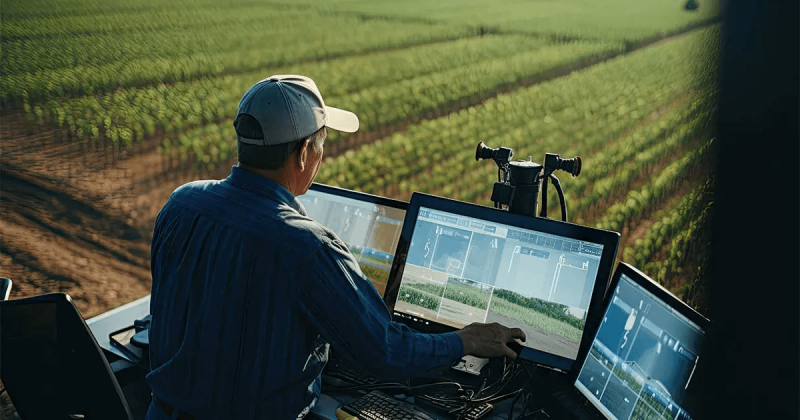
Now, a [new] revolution is in the offing. Technological advancements including deployment of the Internet of Things (IoT), digitally enabled devices that collect and transmit data, and artificial intelligence are creating new efficiencies that are likely to again fundamentally change the practice that has allowed our species to dominate the planet.
Gathering centuries’ worth of historical data and integrating it with new information collected by novel devices will allow farmers to radically refine their planting, watering, pest management, and harvesting strategies — leading to increases in yields and decreases in detrimental environmental effects. There are already nearly 100 million connected devices in use by farmers today and that number will only grow as the people who feed us continue to digitize their operations.