
[I]n 1989 the apple industry was hit with the notorious “Alar Scare” when the environmental group NRDC asserted that a chemical plant growth regulator used on apples and some other crops would generate a highly carcinogenic breakdown product that represented a huge risk to consumers. This message was dramatically amplified by the media. In time that claim was debunked, but not before the apple industry was hit with around $100 million in lost revenue.
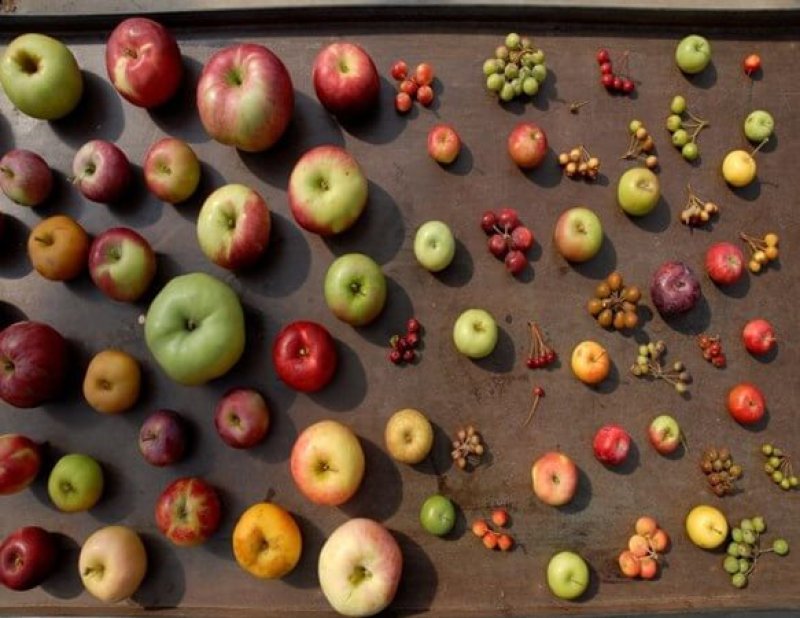
One side effect of the Alar-driven market crash was that the surviving players abandoned the industry’s earlier limited variety strategy and began to grow additional varieties which became an axis of healthy competition between packers and shippers. Interestingly, retailers found that it was worth allotting the shelf space for several different kinds of apples because consumers had different favorite varieties and were more likely to buy [them] if they were available.