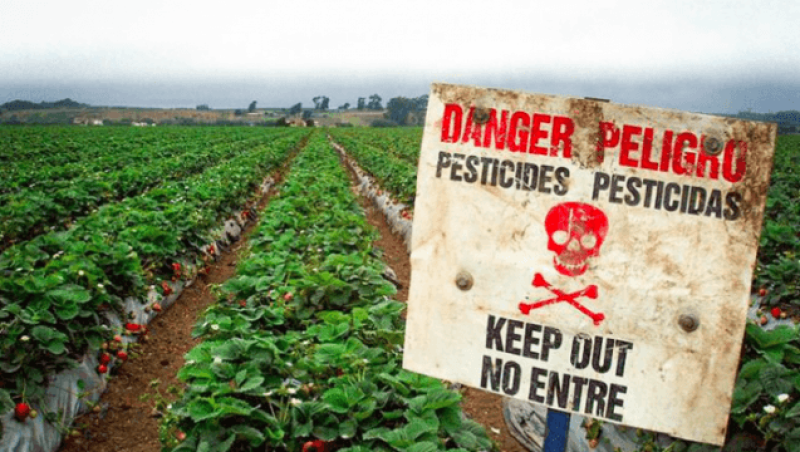
A [paper published in Science] claims that even at low doses pesticides, herbicides, and fungicides are changing the behavior of insects. Though they are not able to show how it is happening, the authors use ‘needs more testing’ rhetoric to call on governments to ban chemicals until it is certain there is no unintended long-term ecological harm. If that sounds very [like] Robert F. Kennedy, Jr., that’s because he and other anti-science progressives have been saying it for decades.
The cultural milieu is that in countries that don’t embrace science, there is a loss of open land because more people means more farming. The United States [is] the opposite. Modern science approaches mean more food using less energy, less water, and fewer chemicals. It even means less land. Right now, the U.S. is down to only 17% farmland while 51% is nature. Just since 2000, 16 million acres of farmland were taken out of use, even at a time when, post-2020 inflation spike aside, food has [been] more affordable than ever.
With that trend, activists have to be concerned about their ability to raise their $3 billion a year criticizing science. To help, homeopathic effects, a u-shaped curve (science is fine at normal levels and at low levels but has mysterious effects in the middle) have a friend in epidemiology. Claiming “real world data”, epidemiologists can link anything to anything, because nearly anything can be found in a spreadsheet somewhere. You just have to call them sublethal doses and [believe] that what doesn’t kill is still a killer. Anyway, science is bad is the take-home message for allied journalists in corporate media.
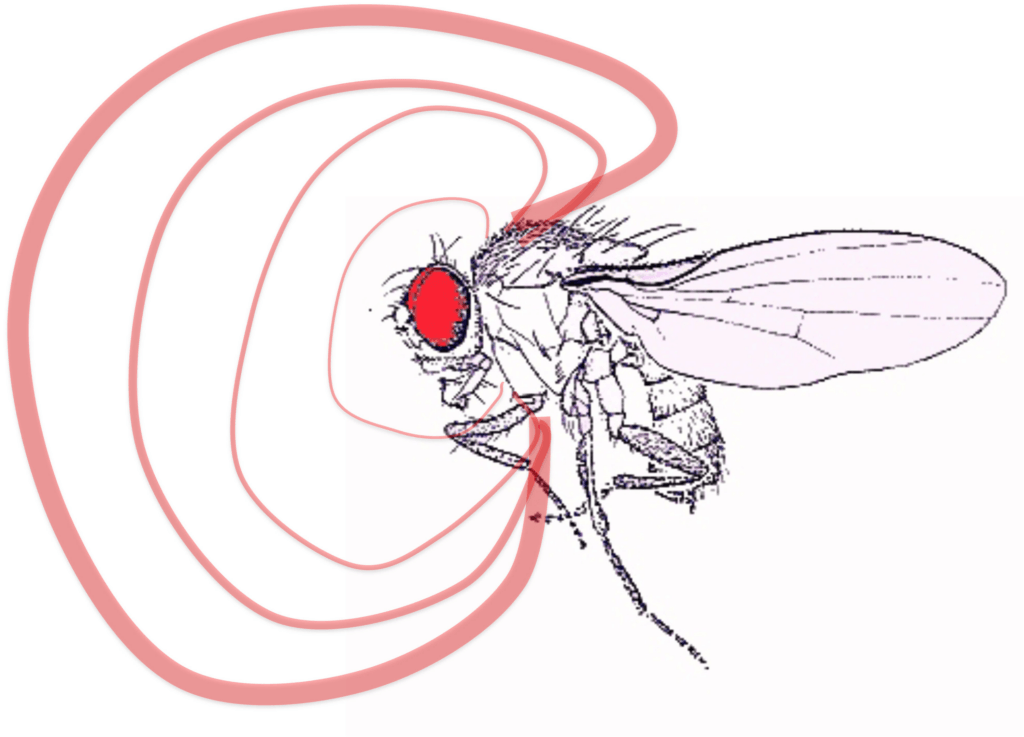
The authors took Drosophila melanogaster, the fruit fly popular in EXPLORATORY papers, and used it as a proxy for insects in the wild. They found that 57 percent of the chemicals in their catalog affected larval behavior even at non-deadly doses. They worry that it may cause a problem.

But if so, where are all the insect bodies? Pests clearly have no problem reproducing. We wouldn’t have the malaria problem we have now if something besides DDT could kill the mosquitoes that give that to children.
Still, the political landscape is now crazy enough that this may have an impact on our food supply. In normal circumstances, when Democrats were ban happy about science, it would be no issue in 2025, science would trump epidemiology, but with Robert “Wormtongue” Kennedy having the ear of a Republican even the party usually on the side of science may be out in front banning it.