
The debate around GMOs entails far more than scientific facts: GMOs have become a proxy for many socio-economic issues such as patents, monopolies, food security, and others. We discuss these issues in a prior post. In this post, we focus on the science and safety of genetically engineered crops.
…
There are many legitimate socioeconomic concerns about our food supply and unfortunately, GMOs have become scapegoats for many of these issues: patents, monopolies, monocultures, environmental concerns, and many others. […]
GMOs are not one thing but there are legitimate concerns with specific traits. For example, proper stewardship is not always practiced with insecticide and herbicide-related traits. Over-reliance on glyphosate-tolerant crops has increased the number of glyphosate-tolerant weeds, although herbicide-tolerant weeds is a risk with any herbicide use, and the incidence of glyphosate-tolerant weeds is not as dire as widely reported. […]
Another problem we may see more of in the coming years is that some traits are associated with dubious health benefits. For example, the non-browning potato also has decreased amounts of acrylamide […] though the actual risk from acrylamide is low. A pink pineapple with extra antioxidants was recently made available in the US [yet] the benefits of extra antioxidants has not been conclusively demonstrated.
Surveys have examined public opinion vs opinion of scientists on various topics. The topic where there was the greatest discrepancy between what the public believes and what scientists believe is GMOs. Scientists generally find biotechnology to be a safe method of crop breeding, while non-scientists largely believe they are unsafe.
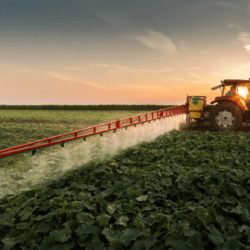



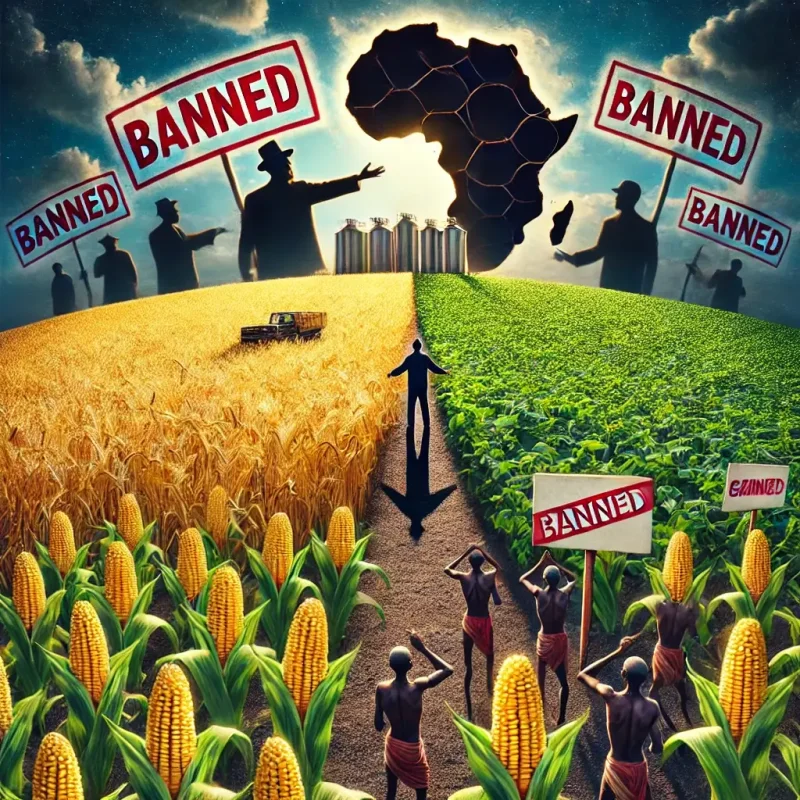
Our choice to shun safe food is a luxury. However, this has repercussions, particularly that we cannot afford to wait any longer before developing crops that are suitable for the growing number of pests and harsher weather that result from a changing climate. We must bear in mind that the people who will be impacted most are people who have little voice in these discussions.