It’s a devastating message that devalues the lives of those who are autistic and alienates them from society, according to Leah Riter, an analytical chemist at Bayer Crop Science and the mother of a daughter with autism. Riter and other parents like her have watched the anti-vaccine movement stigmatize their children by portraying autism as a condition to be feared and avoided. By falsely claiming vaccines cause autism, the activists wrongly imply that autistic individuals are somehow “damaged” or “broken,” rather than individuals worthy of respect and dignity like everybody else. Autistic people often face social exclusion, and the anti-vaccine narrative compounds this phenomenon by wrongly suggesting their existence is a cautionary tale. Parents who buy into this trope may even view their autistic children with regret or shame—straining family relationships and hindering acceptance.
The practical issue is that the anti-vaccine movement diverts attention and resources from genuine support for autistic individuals. The obsession with “preventing” autism through immunization avoidance overshadows efforts to improve education, healthcare and employment opportunities for those on the spectrum. Advocacy groups and researchers waste time debunking myths instead of addressing pressing needs like sensory-friendly environments or mental health services. Autistic self-advocates, who emphasize acceptance over cure, are drowned out by conspiracy-driven campaigns.
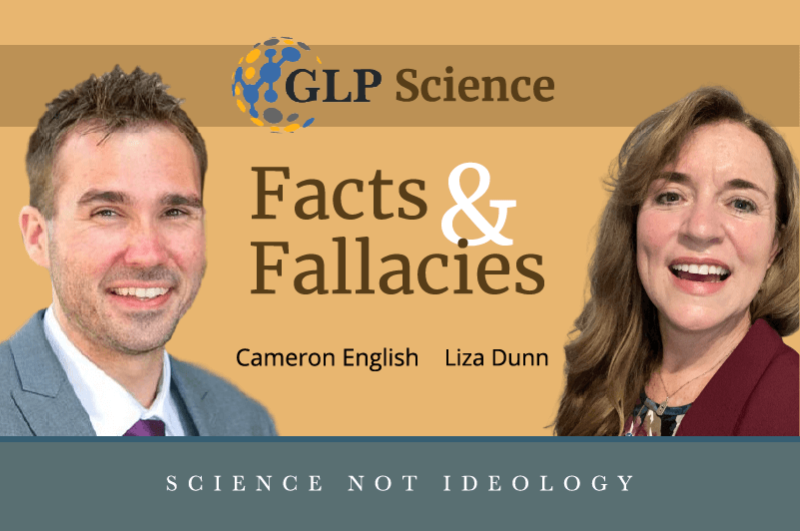
On this episode of Facts and Fallacies, Riter joins Liza Dunn and Cam English to discuss the anti-vaccine movement’s harmful influence on the autism community and what we can do to stop it.
Podcast:
Podcast: Play in new window | Download



Subscribe: RSS
Dr. Liza Dunn is a medical toxicologist and the medical affairs lead at Bayer Crop Science. Follow her on X @DrLizaMD
Cameron J. English is the director of bio-sciences at the American Council on Science and Health. Visit his website and follow him on X @camjenglish