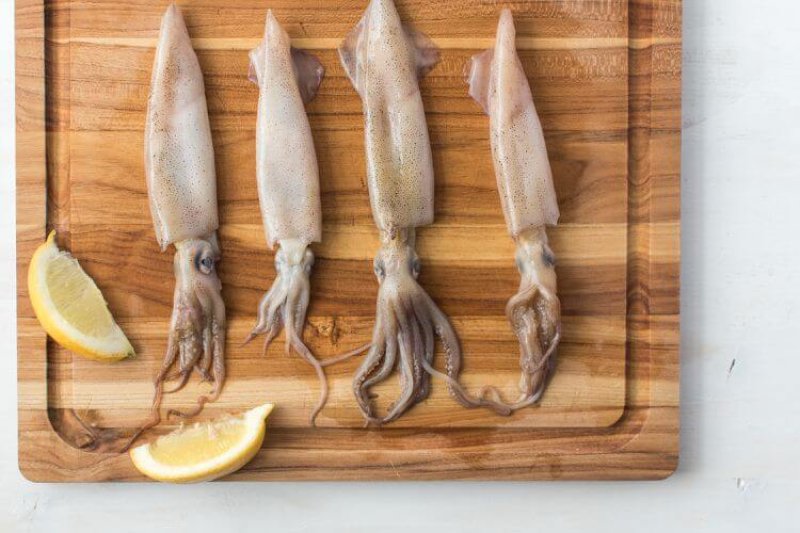

Your next fried calamari appetizer might come from a printer, not the ocean. Scientists from the National University of Singapore have successfully 3D printed plant-based calamari rings that closely mimic both the texture and protein content of real squid.
The research, published in ACS Food Science & Technology, involved combining two sustainable protein sources that are currently underutilized: mung beans (small green legumes popular across Asia) and microalgae. The result? A convincing calamari alternative that could help address growing concerns about overfishing, marine pollution, and seafood contamination.
…
To achieve the proper texture, researchers experimented with various concentrations of gellan gum (a food-grade thickening agent), fat content, and microalgae amounts. After extensive testing, they determined that the optimal formula contained 1.5% gellan gum, 2% fat, and 10% microalgae biomass.





The plant-based alternative actually contained more protein than the real thing. The printed calamari with 10% microalgae delivered 19.61% protein content, compared to 14.21% in actual squid rings.