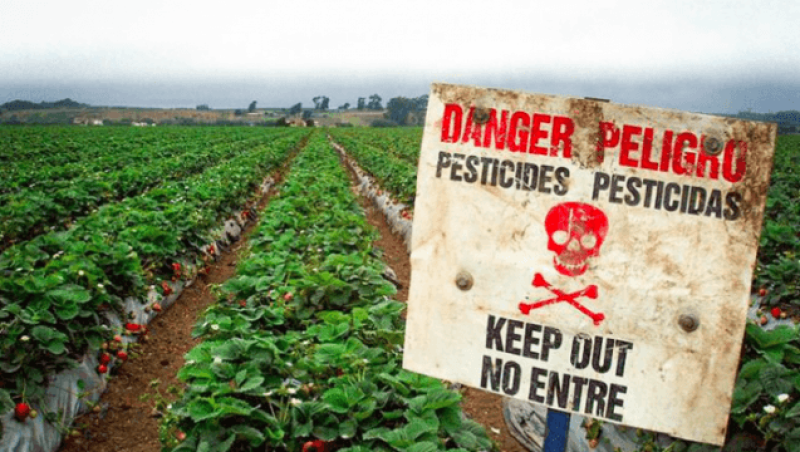
Each year the Environmental Working Group’s (EWG) “Dirty Dozen” list ranks fruits and vegetables with the supposedly highest pesticide residues, and each year it faces intense scrutiny from experts in toxicology, nutrition, and agriculture. Critics argue that the list’s methodology is fundamentally flawed, as it merely counts the number of detectable pesticide residues without assessing actual health risks or incorporating toxicological principles. For instance, residues are often at parts per billion—infinitesimal levels deemed negligible by every regulatory agency in the world, where over 99% of produce falls well below safety thresholds, sometimes by factors of 100 or more.
Scientists like Dr. Andrea Love compare this to declaring a pool unsafe over a single drop of water, emphasizing that EWG ignores exposure levels and the vast quantities needed to approach harm. Experts highlight how the list creates misleading rankings: produce with multiple low-level residues is labeled “dirty,” while items with higher but single residues may rank better, defying scientific logic.
This approach cherry-picks data, omits organic pesticides (which can also leave residues), and promotes a false dichotomy favoring organics, often funded by the organic industry. This is little more than scaremongering, invoking unsubstantiated fear that discourages fruit and vegetable consumption, particularly among low-income groups who may skip produce altogether if organics are unaffordable. Studies show this reduces intake of nutrient-rich foods, posing greater health risks than trace pesticide residues.
The problem is amplified by ideological reporters who faithfully repeat EWG’s conclusion year after year. If the science community’s widespread criticism of the Dirty Dozen is even mentioned by the press, it’s usually relegated to a single quote from a pesticide industry spokesman. This deceptive framing implies to readers that opposition to EWG comes primarily from big corporations rather than nearly every expert with the relevant credentials.

Put simply, experts view the Dirty Dozen as alarmist pseudoscience that prioritizes fear over evidence, potentially harming dietary habits without offering measurable benefits from organic alternatives.