Confronting the growing challenge of increased plastic pollution in agriculture

Screenshot 2025-08-04 at 2.23.04 PM

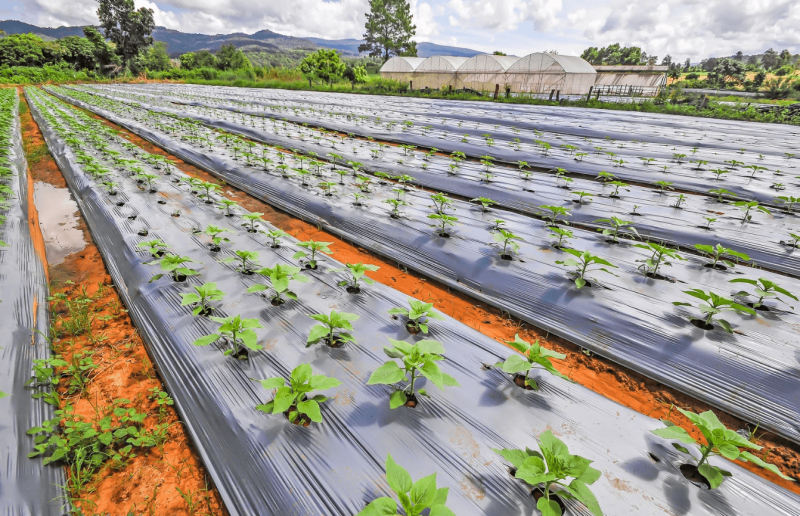
Over the past decades, plastic has become an integral part of agriculture and this use is increasing with the intensity of modern commercial agriculture. The application of polyethene film across farmlands began in the 1950s as it could successfully moderate soil temperature, limit weed growth and prevent moisture loss.  … Plastic is now used in mulching, seedling trays, micro-irrigation, pond liners, polyhouses, food storage, packaging and transportation.

In 2021, the Food and Agriculture Organization (FAO) released a landmark report assessing the use of plastics in agriculture. The report calculated that, in 2019, agricultural value chains used 12 MT of plastic products in plant and animal products and 37.3 MT in food packaging.

Follow the latest news and policy debates on sustainable agriculture, biomedicine, and other ‘disruptive’ innovations. Subscribe to our newsletter.

Tackling agricultural plastic pollution is paramount to achieving resilient and sustainable agrifood systems. First, we need to make the farming community understand the disastrous consequences. Those who are ignorantly enjoying short-term monetary gains, need to take thought-through farm actions.

Science-based guiding frameworks should be provided for the sustainable use and management of plastics in agriculture. 

This is an excerpt. Read the original post here

{{ reviewsTotal }}{{ options.labels.singularReviewCountLabel }}
{{ reviewsTotal }}{{ options.labels.pluralReviewCountLabel }}
{{ options.labels.newReviewButton }}
{{ userData.canReview.message }}

Related Articles

Infographic: Global regulatory and health research agencies on whether glyphosate causes cancer

Infographic: Global regulatory and health research agencies on whether glyphosate causes cancer

Does glyphosate—the world's most heavily-used herbicide—pose serious harm to humans? Is it carcinogenic? Those issues are of both legal and ...

Most Popular

Screenshot-2026-05-01-at-11.56.24-AM
‘Science moves forward when people are willing to think differently’: Memories of DNA maverick Craig Venter
Screenshot-2026-04-03-at-11.15.51-AM
Paraben panic: How a flawed study, media hype, and chemophobia convinced the public of the danger of one of the safest classes of preservatives
79d03212-2508-45d0-b427-8e9743ff6432
Viewpoint: The Casey Means hustle—Wellness woo opportunism dressed up as medical wisdom
Screenshot-PM-24
Viewpoint: The herbicide glyphosate isn’t perfect. Banning it would be far worse.
ChatGPT-Image-Apr-30-2026-12_21_05-PM-2
The tech billionaires behind the immortality movement
ChatGPT-Image-Mar-27-2026-11_27_05-AM
The myths of “process”: What science says about the “dangers’ of synthetic products and ultra-processed foods
ChatGPT-Image-Mar-10-2026-01_39_01-PM
Viewpoint—“Miracle molecule” debunked: Why acemannan supplements don’t work
Drinking lots of water can help reduce the effects of aging
Nanoplastics in drinking water: MAHA activists forge science-based bipartisan coalition 
ChatGPT-Image-May-1-2026-03_16_32-PM
Viewpoint: How ‘health care guru’ Joe Rogan circumvented the FDA’s skepticism on psychedelics
ChatGPT Image Apr 30, 2026, 01_11_41 PM
Trump’s America First health aid cuts: Retrenchment has already hit global malaria, HIV, TB, and polio programs
ChatGPT-Image-Mar-3-2026-01_17_14-PM
MAHA wellness influencers deride proven anxiety medications, tout lifestyle fixes
images
The never-ending GMO debate: Pros and cons
glp menu logo outlined

Get news on human & agricultural genetics and biotechnology delivered to your inbox.