Is sunscreen bad for your health? MAHA and social media disinformation threatens a resurgence in skin cancer

istock
Image: Paul Tarasenko /iStockphoto

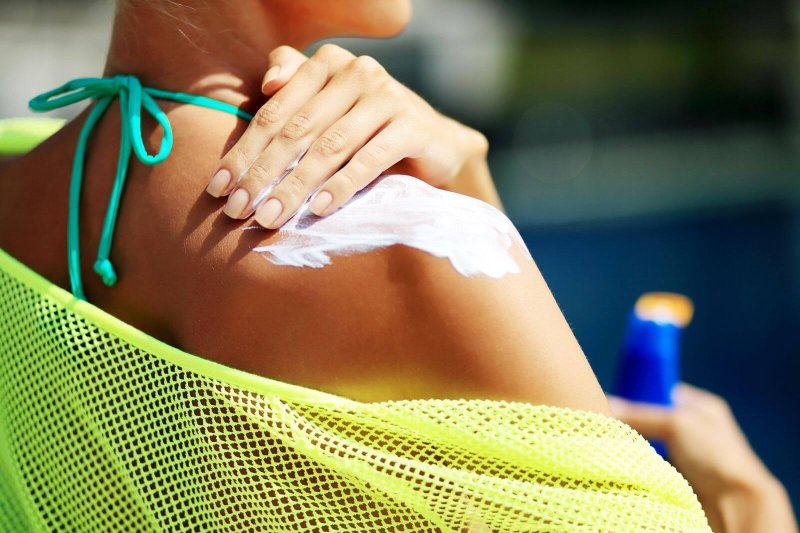
Sunscreen protects the skin by either absorbing or reflecting ultraviolet rays that can cause sunburn, premature aging and skin cancer. Most sunscreen formulas fall into two categories: chemical and mineral.

Chemical sunscreens form a thin protective film to absorb UV radiation. They use ingredients such as avobenzone, oxybenzone and octocrylene to absorb UV radiation and convert it into heat before it reaches the skin.

Mineral sunscreens rely on zinc oxide or titanium dioxide to physically block UV rays from reaching the skin

Follow the latest news and policy debates on sustainable agriculture, biomedicine, and other ‘disruptive’ innovations. Subscribe to our newsletter.

More Americans are questioning the safety of everyday products, driven by a growing distrust in conventional health advice, pharmaceutical companies and federal regulators. Among them are supporters of Health and Human Services Secretary Robert F. Kennedy Jr.’s Make America Healthy Again movement, who have helped revive skepticism of sunscreen ingredients such as oxybenzone and titanium dioxide.

Health professionals warn that anti-sunscreen messaging can be harmful for the public because skin cancer remains one of the most common types of cancer, according to the American Cancer Society. Experts say sunscreen is one of the most effective tools for prevention.


This is an excerpt. Read the original post here

{{ reviewsTotal }}{{ options.labels.singularReviewCountLabel }}
{{ reviewsTotal }}{{ options.labels.pluralReviewCountLabel }}
{{ options.labels.noReviewsLabel }}
{{ options.labels.newReviewButton }}
{{ userData.canReview.message }}

Related Articles

Infographic: Global regulatory and health research agencies on whether glyphosate causes cancer

Infographic: Global regulatory and health research agencies on whether glyphosate causes cancer

Does glyphosate—the world's most heavily-used herbicide—pose serious harm to humans? Is it carcinogenic? Those issues are of both legal and ...

Most Popular

organic scaled
Facts & Fallacies podcast: Organic food cuts pesticide exposure? A response to Dr. Rhonda Patrick
ChatGPT-Image-Mar-10-2026-01_39_01-PM
Viewpoint—“Miracle molecule” debunked: Why acemannan supplements don’t work
kratom
Viewpoint: Kratom ‘supplement’ crisis: DEA sits on its hands while patient addictions to this ineffective drug  rise
Screenshot 2026-07-22 at 10.25
Science brain drain escalates as Trump purge extends to USDA
using genetics to reverse aging
Is the longevity obsession a new form of ageism?
ChatGPT-Image-Jun-25-2026-02_53_56-PM
Embryo gene editing is on the horizon, stirring mixed emotions
Blood blockage
High cholesterol? FDA approves effective oral medication
Screenshot-2026-07-01-at-2.49.48-PM
Dr. TikTok and male fertility: Viral claims tout GLP-1 drugs as fertility boosters. What does the science say?
a-mature-farmer-working-in-the-field-at-sunrise-harvesting-crops-generated-by-ai-photo
What’s the prospect of developing gene-altered crops that are more nutritious and resist climate disruption
ChatGPT-Image-Jul-6-2026-02_25_26-PM
40 million Americans take glucosamine. If you have memory loss, it could accelerate cognitive decline.
Screenshot-2026-07-21-at-6.22.06-PM
The Indian physician’s one-woman battle against health disinformation on Wikipedia
ChatGPT-Image-Jun-25-2026-12_23_17-PM
No, Bill Gates did not secretly engineer ticks to promote veganism
glp menu logo outlined

Get news on human & agricultural genetics and biotechnology delivered to your inbox.