How the agriculture and food industries challenged MAHA heavyweights and reshaped RFK, Jr.’s ‘reform’ agenda

farmer tractor agriculture farm preview
Credit: PickPik (Public Domain)

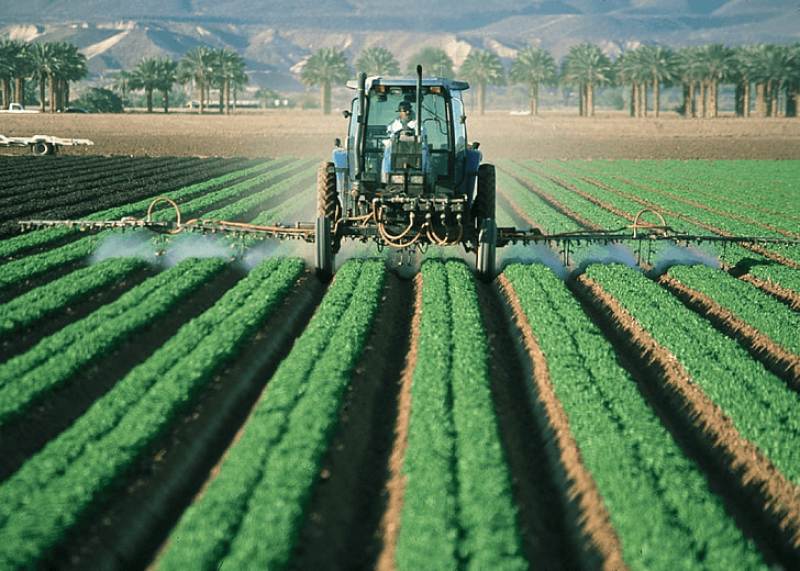
In meeting after meeting at the White House this summer, administration officials held talks with scores of leaders from the food and agriculture industries. Farm officials accompanied Calley Means, a top adviser to Health Secretary and MAHA Commission leader Robert F. Kennedy Jr., on a visit to U.S. farm fields.

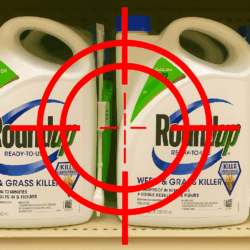
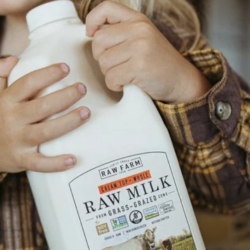
Companies and industry groups representing every link in the nation’s food supply chain moved with urgency. An initial assessment report released by the commission in May criticized products from pesticides to processed food, setting off alarm bells at big food and agriculture companies.

Follow the latest news and policy debates on sustainable agriculture, biomedicine, and other ‘disruptive’ innovations. Subscribe to our newsletter.

After backlash from the agriculture industry, which criticized the report’s contents and a lack of engagement from the administration during its writing, the commission changed tack. As it drafted the follow-up report, the commission sought input from farmers, food makers and retailers. 

[The] follow-up report stopped short of seeking to rein in pesticide use. Instead it promised research on “cumulative exposure across chemical classes,” and ways that agricultural technology can help lower pesticide volumes. 

This is an excerpt. Read the original post here


{{ reviewsTotal }}{{ options.labels.singularReviewCountLabel }}
{{ reviewsTotal }}{{ options.labels.pluralReviewCountLabel }}
{{ options.labels.newReviewButton }}
{{ userData.canReview.message }}

Related Articles

Infographic: Global regulatory and health research agencies on whether glyphosate causes cancer

Infographic: Global regulatory and health research agencies on whether glyphosate causes cancer

Does glyphosate—the world's most heavily-used herbicide—pose serious harm to humans? Is it carcinogenic? Those issues are of both legal and ...

Most Popular

Screenshot 2026-05-26 at 10.15
Viewpoint: Double standard—Why does the wellness industry get a free pass while Big Healthcare is treated as morally suspect?
Screenshot 2025-07-30 at 10.48
Can gene editing eliminate Down syndrome? Scientists have done it in lab-grown cells
ChatGPT-Image-Mar-10-2026-01_39_01-PM
Viewpoint—“Miracle molecule” debunked: Why acemannan supplements don’t work
tick-DNA
GLP podcast: Spread meat allergy with gene-edited ticks? Bioethicists pose vile ‘thought experiment’
ChatGPT-Image-Jun-4-2026-01_27_58-PM
Viewpoint—N.A.D.+: Why Gwenyth Paltrow’s heralded anti-aging supplement doesn’t work
Screenshot-2026-06-03-at-1.24.46-PM
Challenging anti-GMO disinformation: Why genetically-tweaked crops offer bushels of benefits
downsyndrome_compilation_MID_1
CRISPR breakthrough that can remove the chromosome responsible for Down syndrome raises ethical questions
ChatGPT-Image-Jun-4-2026-11_49_36-AM-2
‘You don’t understand Tolkien’: Skeptic Pope trolls tech giants about the exaggerated, risk-less benefits of AI
Screenshot-2026-06-04-at-12.05.08-PM
Cases of brain inflammation surge as U.S. measles pandemic approaches 2000
ChatGPT-Image-May-26-2026-07_51_21-AM-2
Viewpoint: There are more than 1,000 chemicals in a cup of coffee—including many substances that can cause cancer. Why isn’t it banned?

Sorry. No data so far.

glp menu logo outlined

Get news on human & agricultural genetics and biotechnology delivered to your inbox.