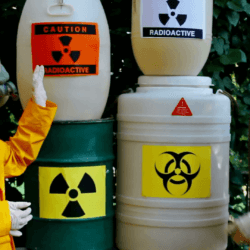
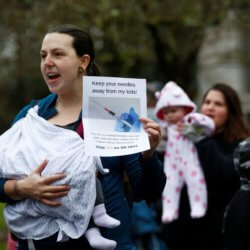
Buoyed by sensationalist reporters eager to write alarming headlines, Robert F. Kennedy Jr. has repeatedly hyped a dramatic “epidemic” of cancer among children and young people, asserting that rates have soared by nearly 50% since the 1970s thanks to growing exposure to environmental “toxins.” He describes this as part of a broader “chronic disease crisis” in youth. The media, despite its near-universal opposition to Kennedy’s agenda, has breathlessly repeated his claims about a youth cancer epidemic.
In reality, no such epidemic exists. Childhood cancer (ages 0-14) remains rare, with about 9,550 new U.S. cases projected for 2025—stable at roughly 15 per 100,000 children annually. Incidence rates have slightly declined by 0.8% per year from 2015-2021, driven by drops in brain tumors. For adolescents (15-19), rates rose modestly by 0.7% annually, and for young adults (15-39), by just 0.3% from 2013-2022—far from “soaring.”
Cancer mortality tells an even clearer success story: Death rates have plummeted 70% in children and 63% in adolescents since 1970 (p 11), thanks to better treatments—now at approximately 1% of all cancer deaths. Survival exceeds 86% for young patients. While specific cancers like colorectal and breast show slight upticks in people under 50 (1-2% annually), these are tiny increases, and they aren’t occurring in an age group anybody typically describes as young.
Scapegoating chemical exposure for these rare cancer cases lacks evidence and obscures the fact that child health has improved dramatically, with overall mortality halved since the 1960s. It’s time for reporters, social media influencers and public health officials to focus on evidence and quit exaggerating risk.
Join Dr. Liza Lockwood and Cam English on this episode of Facts and Fallacies as they debunk the media-driven “youth” cancer scare.


Podcast: Play in new window | Download
Subscribe: RSS
Dr. Liza Lockwood is a medical toxicologist and the medical affairs lead at Bayer Crop Science. Follow her on X @DrLizaMD
Cameron J. English is the director of bio-sciences at the American Council on Science and Health. Follow him on X @camjenglish