Strength, power, and high-intensity training: How much do creatine supplements help

Creatine: Is the popular supplement safe for non-athletes?
Credit: Unsplash/ Aleksander Saks

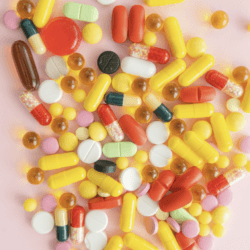
It’s arguably one of the world’s most researched supplements. Thousands of studies have been carried out over the past few decades evaluating its ability to increase muscle mass and overall strength.

“Creatine has become so big, you feel that if you are not using it, you are kind of losing out,” says Dr Henry Chung, a lecturer in sport and exercise science at the University of Essex. “It’s moved from elite sport into the mainstream.”

Follow the latest news and policy debates on sustainable agriculture, biomedicine, and other ‘disruptive’ innovations. Subscribe to our newsletter.

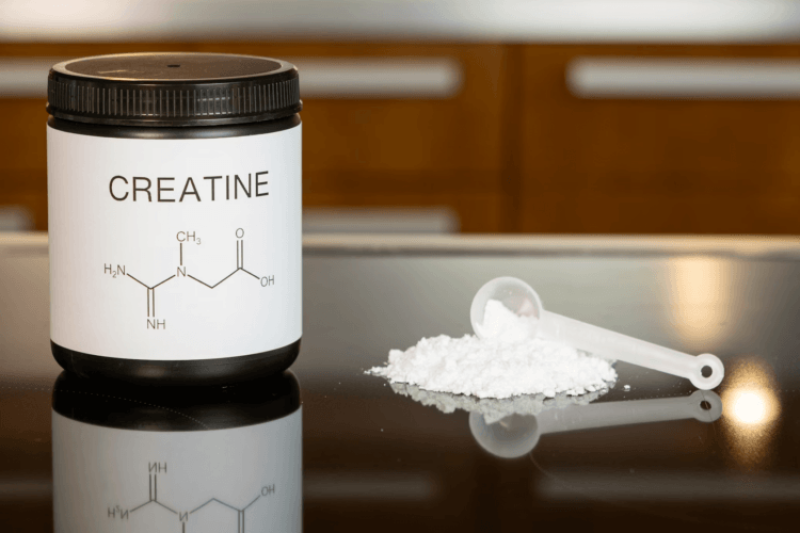
Creatine is a naturally occurring compound which is stored in our muscles, and helps our cells produce energy. It is a vital component in the ATP-CP system, the fastest, most powerful energy system in our bodies.

It fuels the first 10-20 seconds in high intensity workouts – giving that quick, powerful burst of energy. From lifting weights to sprinting round the track, research suggests creatine supplementation can help improve performance.
And away from the gym, there is a growing, but still relatively limited, body of evidence to suggest it can also help with our short-term memory, mood and focus.

This is an excerpt. Read the original post here

{{ reviewsTotal }}{{ options.labels.singularReviewCountLabel }}
{{ reviewsTotal }}{{ options.labels.pluralReviewCountLabel }}
{{ options.labels.newReviewButton }}
{{ userData.canReview.message }}

Related Articles

Infographic: Global regulatory and health research agencies on whether glyphosate causes cancer

Infographic: Global regulatory and health research agencies on whether glyphosate causes cancer

Does glyphosate—the world's most heavily-used herbicide—pose serious harm to humans? Is it carcinogenic? Those issues are of both legal and ...

Most Popular

Screenshot-2026-04-23-at-11.00.36-AM
Regulators' dilemma: Thalidomide, Metformin, and the cost of getting drug approvals wrong
Picture1-5
Science Disinformation Gap: The transatlantic battle over social media and censorship
ChatGPT-Image-May-12-2026-08_39_41-PM
GLP podcast: Big Pharma, Big Ag, Big Food—health harming industries or life-saving innovators?
Screenshot-2026-05-12-at-9.58.31-PM
'He seems fine': Marty Makary out as FDA commissioner
ChatGPT Image May 10, 2026, 08_16_59 PM 2
Overmedicalization? RFK Jr.’s antidepressant crackdown raises conflict questions over his fee stake in Wisner Baum, the tort firm built on suing drug makers
Screenshot-2026-05-12-at-10.05.11-AM
Pro-vaccine “hero” vs. an anti-vax “villain”: ‘Bad Vaxx’ video stirs MAHA backlash
ChatGPT-Image-Apr-13-2026-02_20_22-PM
Viewpoint: Misinformation infodemic? Why assessing evidence is so challenging 
Screenshot-2026-05-01-at-1.29.41-PM
Viewpoint: What happens when whole grains meet modern food manufacturing? Labels don’t tell the whole story.
Picture1-1
Cooling the planet with balloons: Could a geoengineering gamble slow global warming?
Screenshot-2026-05-11-104424
Hantavirus outbreak research: Trump administration shut down study last year on rodent-to-human transmission
images
The never-ending GMO debate: Pros and cons
S
As vaccine rejectionism spreads, measles may be taking a more dangerous turn
glp menu logo outlined

Get news on human & agricultural genetics and biotechnology delivered to your inbox.