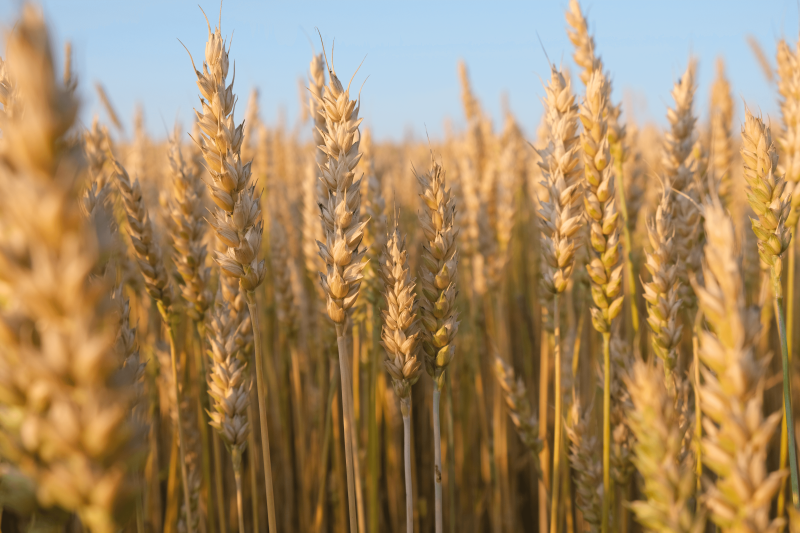

A groundbreaking discovery from the University of Maryland promises to revolutionize wheat cultivation and dramatically boost global food security. Researchers have identified the gene responsible for an extraordinary trait in a unique wheat mutant that produces three ovaries per flower instead of the single ovary typical in conventional bread wheat. Each ovary holds the potential to develop into a grain, indicating that this genetic trait could exponentially increase the number of kernels per wheat spike, offering a compelling strategy to meet rising food demands without expanding agricultural land.
The implications extend far beyond academic intrigue. Wheat stands as one of humanity’s foundational staple crops, nourishing billions worldwide. Increasing wheat yields through traditional breeding has plateaued in many regions, while the looming challenges of climate change, shrinking arable land, and an expanding global population exert relentless pressure on food systems.
…
With ongoing advancements in functional genomics and gene editing, the coming years may witness the rapid deployment of multi-ovary wheat in fields globally.
This is an excerpt. Read the original post here