Future of food security: The downside of the digitalization of agriculture for the most vulnerable countries

Screenshot 2025-10-22 at 1.42.33 PM

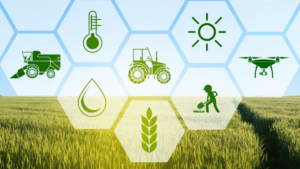
With an average temperature increase of more than 1.2°C, and extreme weather events compromising 30% of global harvests, applied genetics is becoming a tool for adaptation rather than progress, necessary to keep the productive capacity of agricultural systems constant.

Contemporary agronomy combines genetics, microorganism biology and economic sustainability, turning the agricultural field into a laboratory.

Smart water networks, sensors and real-time monitoring software make it possible to optimise water distribution, detect leaks and improve maintenance. 

Follow the latest news and policy debates on sustainable agriculture, biomedicine, and other ‘disruptive’ innovations. Subscribe to our newsletter.

The digitisation of food supply chains completes the technological landscape: blockchain makes it possible to trace every step of the product, from the field to the table, guaranteeing transparency, authenticity and, above all, access to credit for small producers. 

More than the fear of the replacement of human labour in the fields, the problem raised by digital technologies is that their diffusion is not uniform. The risk is that innovation becomes a new factor of inequality, reinforcing the dependence of the most fragile countries on those that control data, patents and digital infrastructure.


This is an excerpt. Read the original post here

{{ reviewsTotal }}{{ options.labels.singularReviewCountLabel }}
{{ reviewsTotal }}{{ options.labels.pluralReviewCountLabel }}
{{ options.labels.newReviewButton }}
{{ userData.canReview.message }}

Related Articles

Infographic: Global regulatory and health research agencies on whether glyphosate causes cancer

Infographic: Global regulatory and health research agencies on whether glyphosate causes cancer

Does glyphosate—the world's most heavily-used herbicide—pose serious harm to humans? Is it carcinogenic? Those issues are of both legal and ...

Most Popular

Screenshot-2026-04-22-at-12.21.32-PM
Viewpoint: Why the retracted Monsanto glyphosate study doesn’t change the science—the world’s most popular herbicide is safe 
Picture1
The FDA couldn’t find a vaccine safety crisis, so it buried its own research
ChatGPT-Image-Apr-16-2026-02_56_53-PM
Financial incentives, over diagnosis, and weak oversight: Autism claims are driving up Medicare costs
global warming
‘Implausible’: Top climate scientists reject worst-case scenario—soaring temperatures and fast-rising sea levels
ChatGPT-Image-May-1-2026-11_42_59-AM-2
Viewpoint: NAD is the wellness grifters latest evidence-lite longevity fad. At least the mice are impressed.

Sorry. No data so far.

glp menu logo outlined

Get news on human & agricultural genetics and biotechnology delivered to your inbox.