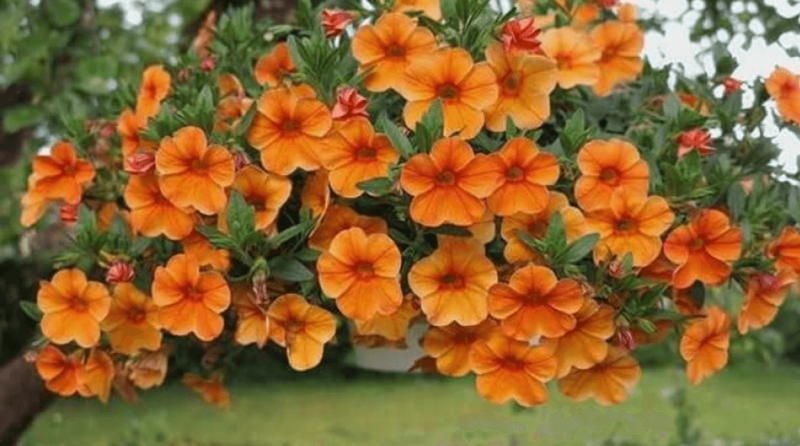
We might notice the time of year they bloom and connect that to our changing climate. Perhaps we are familiar with their cycles: bud, bloom, wilt, seed. Yet flowers have much more to tell in their bright blooms: The very shape they take is formed by local and global climate conditions.
The form of a flower is a visual display of its climate, if you know what to look for. In a dry year, its petals’ pigmentation may change. In a warm year, the flower might grow bigger. The flower’s ultraviolet-absorbing pigment increases with higher ozone levels. As the climate changes in the future, how might flowers change?
An artistic research project called Plant Futures imagines how a single species of flower might evolve in response to climate change between 2023 and 2100 …. The project has created one flower for every year from 2023 to 2100. The form of each one is data-driven, based on climate projections and research into how climate influences flowers’ visual attributes.