[On January 21, 2026], the Texas Attorney General announced a formal investigation into “unlawful financial incentives” for childhood vaccines, claiming “Big Pharma and Big Insurance bribe medical providers to pressure parents.”
The timing was almost eerie. We’d just finished polishing a six-month investigation into this exact question.
This is our first research brief, and I’m proud of what we built. (It was a labor of love, please give it a read!)
I need to shout out the team that made this happen: pediatricians Elana Pearl Ben-Joseph and David Higgins; Jennifer Bordenick; and Vrnda Aiyaswamy and Elisabeth Brandstetter Figueroa, who created our data visualizations.
So, what did we actually do?
We analyzed commercial reimbursement data from four major insurers across all 50 states. We dug through state Medicaid fee schedules to see what practices actually get paid. We reviewed peer-reviewed literature on vaccine financing. We interviewed pediatricians about the reality of 2 AM refrigerator alarms, months-long waits for reimbursement, and the impossible math of serving kids on Medicaid. We built a state-by-state matrix comparing Colorado, Mississippi, and Washington because the economics look completely different depending on where you practice and who you serve.
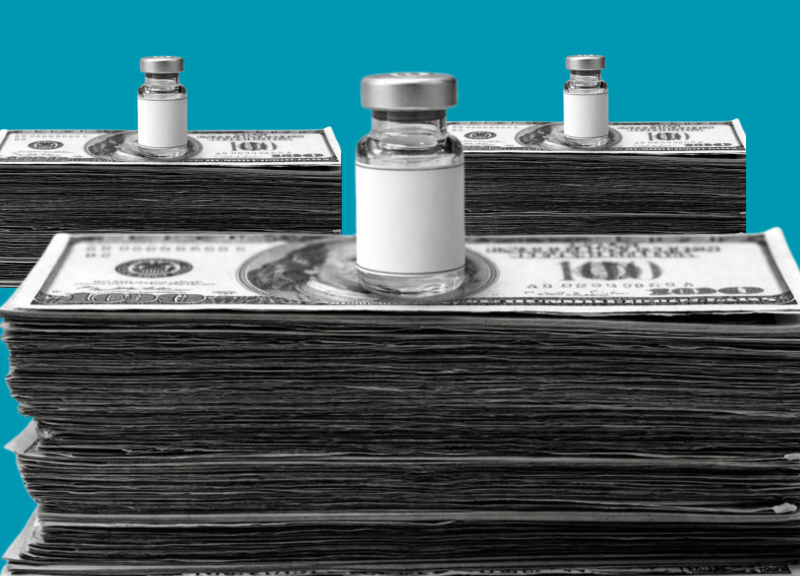
One question drove it all: Do pediatricians get rich from vaccines, as some claim?
No. Absolutely not.
Key findings from our review:
- Pharmaceutical companies do not pay pediatricians to vaccinate children. Quality incentive payments come from insurance companies, not vaccine manufacturers, and are tied to broad measures of care quality, not vaccination quotas. In fact, it’s illegal for vaccine manufacturers to offer financial incentives to physicians for recommending their products under federal anti-kickback laws.
- Viral claims about physician “vaccine bonuses” misrepresent how quality programs work. These programs reward practices for meeting dozens of care metrics, including developmental screenings, chronic disease management, and patient satisfaction, of which immunization is one component.
- Vaccine economics vary dramatically by state and payer. A practice in Colorado serving commercially insured patients faces entirely different economics than one in Mississippi serving predominantly Medicaid patients. There is no single story.
- Many practices lose money vaccinating Medicaid and uninsured children. In some states, Medicaid administration payments fall below the actual cost of delivering a vaccine.
- 24% of pediatricians have considered stopping vaccine delivery, not because they doubt vaccines, but because the financial strain threatens their practice.
- Vaccines are among the least profitable services pediatricians provide, and many practices operate on very thin margins when delivering them. When a practice breaks even or earns a modest margin, that revenue supports the practice; it does not go directly to a pediatrician and is necessary to keep the doors open. The claim at issue is not whether practices can ever avoid losing money on vaccines. It is the false assertion that vaccines are a major profit driver for pediatricians. They are not.
As part of our investigation, we spoke with pediatricians about their real-life experiences navigating vaccine economics.
Story #1 – Dr. Sian Jones in Nebraska
Dr. Jones discusses how the true cost of providing vaccines to children extends well beyond the vaccines themselves. The necessary upfront investments in storage, insurance, and administration create significant financial strain on practices. Practices pay substantial funds in advance and wait months for reimbursement. Doctors do this not for profit, but because it is the right thing to do.
Story #2 – Dr. Gail Schonfeld in New York
Dr. Gail Schonfeld pushes back against claims that pediatricians profit from vaccines, explaining that her predetermined $17.85 administration fee doesn’t cover her significant infrastructure costs and that she often administers vaccines at a loss to uninsured patients. She emphasizes that pediatricians do this work out of genuine care for children’s health, not financial incentive.


Story #3 – Dr. Daniel Levy in Maryland
Dr. Daniel Levy explores how systemic failures in the US healthcare system devastate dedicated pediatricians, making it nearly impossible to operate an independent practice. Drawing on his own experience serving low-income children, he shows how even personal investment and commitment couldn’t save his practice from closure.
The profit accusation misses something fundamental about how pediatric practices work. Vaccine payments don’t end up in physicians’ bank accounts. They fund the programs and infrastructure that serve families. The after-hours triage lines. The mental health counselors. The care coordinators who navigate prior authorizations and specialist referrals. When vaccine reimbursement falls short, these services are at risk of being cut. Practices may sell to larger health systems or may simply close. The result is sadly that families in underserved communities risk losing access to the care they need most.
Jess Steier is a public health scientist dedicated to bridging the gap between complex scientific evidence and public understanding. Jess is the Founder of Unbiased Science, CEO of Vital Statistics Consulting, and Executive Director of The Science Literacy Lab (a 501c3 non-profit organization).
Elana Pearl BenJoseph is a physician with a focus on pediatrics, health communication, and public health. Find Elana on LinkedIn
Jen Covich Bordenick is a health communicator, adjunct professor at George Washington University, and Chief Strategy Officer for Unbiased Science. Find Jen on X @jencovich
David Higgins is a physician, researcher, writer, and speaker who focuses on the intersection of pediatrics, preventive medicine, and public health. Follow David on Substack @drhigginsmd
A version of this article was originally posted at Unbiased Science and has been reposted here with permission. Any reposting should credit the original author and provide links to both the GLP and the original article. Find Unbiased Science on X @unbiasedscipod