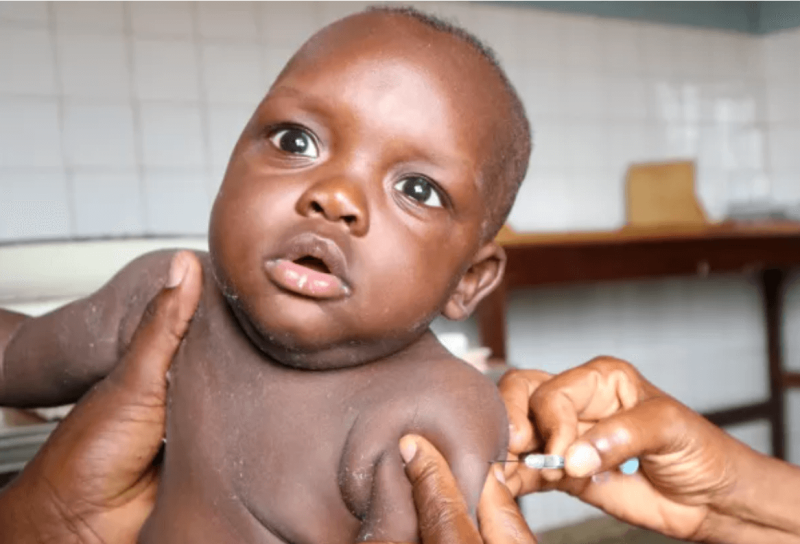
[T]he grant request, marked as unsolicited, proposed a randomized controlled trial in the impoverished West African nation of Guinea-Bissau. The research would examine whether a birth dose of the hepatitis B vaccine — proven safe over decades — had potentially negative effects, such as skin ailments or neurodevelopmental disorders.
… It planned to provide only half of the more than 14,000 enrolled infants with a highly protective birth dose of the hepatitis B vaccine, in a nation where hepatitis B plagues one in five adults, leading to high transmission rates from mothers to infants. And, CDC sources say, it came with intense pressure for approval from the director’s office. “None of our scientists would touch this with a 10-foot pole,” a CDC employee [said].
Almost immediately after the $1.6 million grant was posted in the federal register on Dec. 18, scientists around the world denounced the study as unethical.
… On Feb. 13, the World Health Organization released a statement expressing “significant concerns” with the study’s scientific justification, ethical safeguards, and adherence to established research principles.