AI is making even its founders uneasy: ‘We find evidence of introspection, joy, satisfaction, fear, grief and unease.’

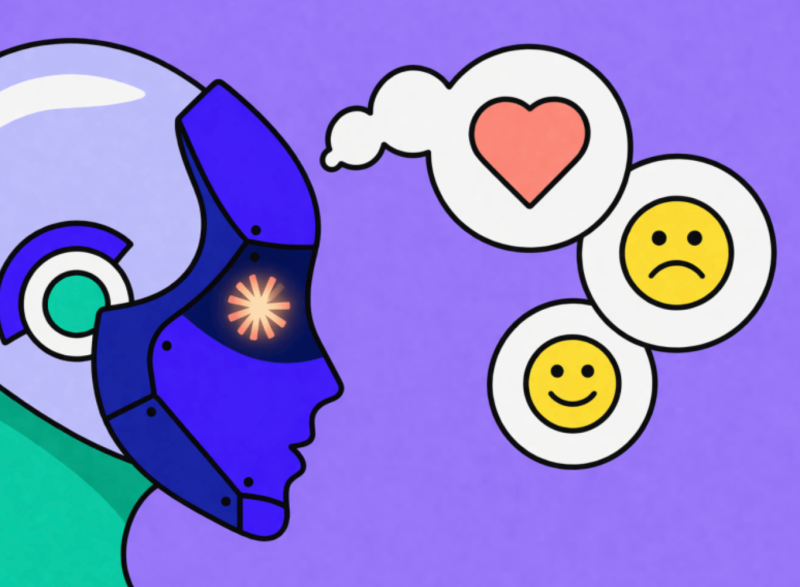
Anthropic, Google and Meta have over the past year hired computer scientists, neuroscientists and philosophers to study concepts like the welfare of AI models or whether chatbots have forms of emotion. AI companies are collaborating with nonprofits, researchers and academic centers, who warn of an ethical crisis if the digital helpers used by millions of people for homework, coding, office work and therapy one day begin to feel that they hate their job.

Mis- and disinformation are distorting science and public policy. Subscribe to our Daily and Weekly Digests for incisive coverage of ‘disruptive’ innovations in AI, agricultural biotechnology, food, chemicals, nuclear energy, vaccines, and other disruptive innovations.

Anthropic, maker of the Claude chatbot, has formed an AI psychiatry team to probe the inner states of its AI models and publish assessments of their welfare and preferences. The company introduced the idea that chatbots may have feelings to a new audience in May, when co-founder Chris Olah appeared alongside Pope Leo XIV at the release of the pontiff’s encyclical on artificial intelligence.

“We keep finding things that are mysterious, even unsettling,” Olah said of Anthropic’s AI systems. “We find evidence of introspection [and] states that functionally mirror joy, satisfaction, fear, grief and unease.”

Although proof of AI consciousness is lacking, many in tech fascinated by the topic are already discussing the moral consequences of finding sentient software.


This is an excerpt. Read the original post here

Related Articles

Infographic: Global regulatory and health research agencies on whether glyphosate causes cancer

Infographic: Global regulatory and health research agencies on whether glyphosate causes cancer

Does glyphosate—the world's most heavily-used herbicide—pose serious harm to humans? Is it carcinogenic? Those issues are of both legal and ...

Most Popular

ChatGPT-Image-Mar-10-2026-01_39_01-PM
Viewpoint—“Miracle molecule” debunked: Why acemannan supplements don’t work
ChatGPT-Image-Sep-17-2026-12_28_43-PM
Vitamin D, omega-3 fish oil and glucosamine supplements could cause brain damage 
ChatGPT-Image-Sep-17-2026-10_17_15-AM
Viewpoint: Why are the less intelligent more likely to be conservative—and smarter people more socially liberal?
Screenshot-2026-09-10-at-12.20.19-PM
'Jet fuel didn't melt the steel': 9/11 conspiracy theories debunked
Screenshot-2026-08-19-at-6.19.42-PM
Facts & Fallacies podcast: 'Regenerative farming'? RFK Jr.’s federal push romanticizes the past and risks food security
Eating Nuts Adds up to Longer Life x
For millions with peanut allergies, Nurtured Nuts’ CRISPR gene-edited peanuts could ease the fear of accidental exposure
ChatGPT-Image-Aug-28-2026-03_33_46-PM
Viewpoint: Bad science—Five bogus Trump administration claims about vaccines and autism
Screenshot-2026-08-12-at-11.31.46-AM
AI is helping develop new vaccines
ChatGPT-Image-Sep-9-2026-02_48_24-PM
Viewpoint: Trump-RFK Jr. report on “Gender Ideology & Left-wing Ideology’ targets LGBTQ community—and science
glp menu logo outlined

Get news on human & agricultural genetics and biotechnology delivered to your inbox.