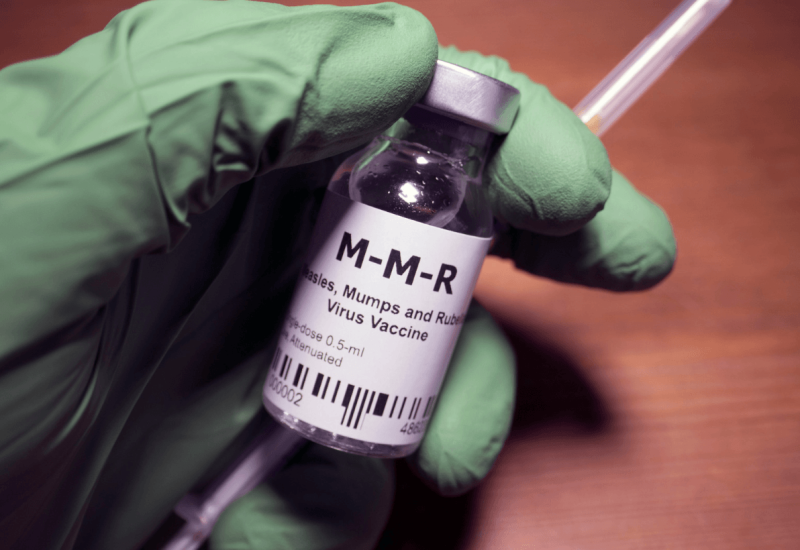

A new study of more than 2.5 million children has delivered the same verdict researchers have reached for over two decades: the measles-mumps-rubella (MMR) vaccine does not cause autism. Published July 28, 2026 in the Pediatric Infectious Disease Journal, the research adds another brick to a wall of evidence that’s been standing since long before this debate should have ended.
Researchers Todd L. Burstain, Dale Jacques, and Jennifer M. Burstain, all affiliated with University of Washington Medicine in Seattle, mined electronic health records from Cosmos, a massive database covering children treated between January 2015 and December 2024. Tracking kids from birth until age 8 or their last recorded visit, the team used what they called “age-anchored landmark analyses” to compare autism diagnosis rates between vaccinated and not-yet-vaccinated children at matched ages.
The Data Doesn’t Budge
The results were unambiguous. Children who received their first MMR dose between 11.5 and 24 months showed no elevated autism risk compared to peers who hadn’t yet been vaccinated. That pattern held steady across every age-specific cohort the researchers examined, and a built-in negative control analysis, designed specifically to flag hidden bias, turned up nothing either.
As the study’s authors put it: “In this large US cohort, age-anchored landmark analyses show no association between MMR vaccination before 24 months and childhood autism spectrum disorder.”
Michael Simpson, the science writer behind the Skeptical Raptor blog who covered the paper, framed the scale of the evidence plainly: “Here’s another huge study, of over 2.5 million children, that shows that there is simply no link between the MMR vaccine and autism.”


|
Related on the SLP
White House ‘gold standard’ science? With RFK, Jr. at his side, Trump revives vaccine-autism myth, recommends splitting childhood shots
|
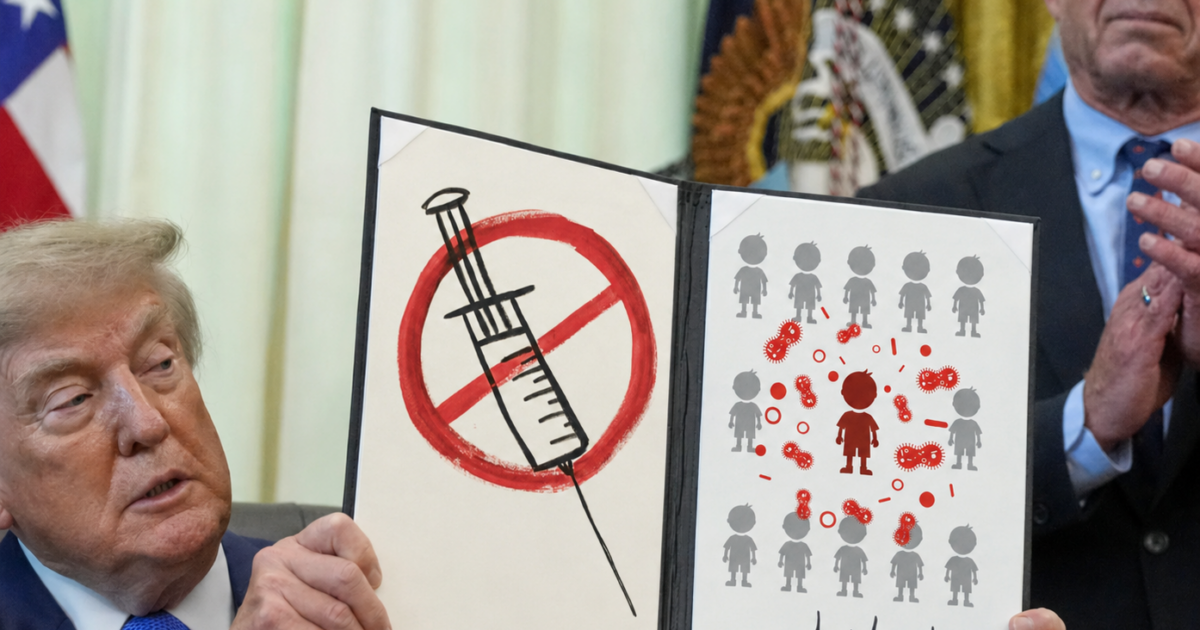
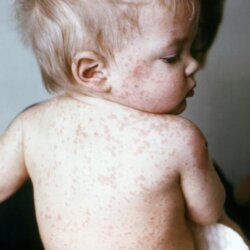
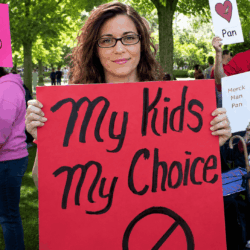
The timing matters. The U.S. is currently living through its worst measles outbreak since 1991, driven in part by falling vaccination rates and hesitancy rooted in the very autism claim this study just knocked down again. Meanwhile, federal health messaging has been anything but steady, with the CDC’s own website language on vaccines and autism shifting under the current administration, muddying a question science settled long ago.
This study won’t change minds that are already made up, and no single paper ever fully does. But for parents genuinely weighing the evidence, the takeaway is consistent: across millions of children and dozens of studies spanning continents, the MMR vaccine’s safety record on autism remains exactly what it has always been. Clean.