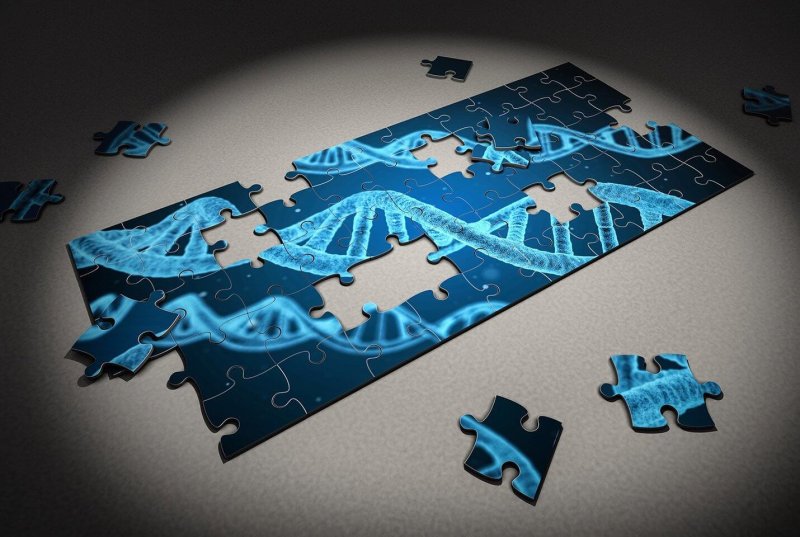
Can CRISPR tell what ails you? ‘Affordable’ at-home kits may be on the way

crispr

A new biotech company co-founded by CRISPR pioneer Jennifer Doudna is developing a device that uses CRISPR to detect all kinds of diseases like malaria, tuberculosis, and Zika. The tech is still just in prototype phase, but research in the field is showing promising results. These CRISPR-based diagnostic tools have the potential to revolutionize how we test for diseases in the hospital, or even at home. Called Mammoth Biosciences, the company is working on a credit card-sized paper test and smartphone app combo.

The tech would work similarly to a pregnancy test — except that instead of using urine to tell you whether you’re pregnant, it can use urine, blood, or saliva to tell whether you have a sexually transmitted infection or a particular strain of the flu. (The test could detect multiple diseases at once, [CEO Trevor] Martin says.) The fluorescent signal or color change on the paper test would be analyzed by a smartphone app. You take a photo of the results, and the app tells you what you tested positive for. At least, that’s the idea.

The company has some “working prototypes,” Martin says. “We’re moving to commercialize it quickly and have it available in the next few years.” Martin won’t say how much the at-home tests will cost, but the technology will be “accessible and affordable,” he says.

Read full, original post: This company is making an at-home CRISPR kit to find out what’s making you sick

{{ reviewsTotal }}{{ options.labels.singularReviewCountLabel }}
{{ reviewsTotal }}{{ options.labels.pluralReviewCountLabel }}
{{ options.labels.noReviewsLabel }}
{{ options.labels.newReviewButton }}
{{ userData.canReview.message }}

Related Articles

Infographic: Global regulatory and health research agencies on whether glyphosate causes cancer

Infographic: Global regulatory and health research agencies on whether glyphosate causes cancer

Does glyphosate—the world's most heavily-used herbicide—pose serious harm to humans? Is it carcinogenic? Those issues are of both legal and ...

Most Popular

ChatGPT-Image-Jul-22-2026-09_13_07-AM
Viewpoint—The Strategic Litigation boom: Understanding the tightening coalition among NGOs, foundations, journalists, and tort lawyers
How to Include More Strawberries in Your Diet
Strawberries are berries—and 35 other surprising food and drink myths
close up arabica coffee farmer s hands picking beans plant his farm colombia
Viewpoint: Why do so many ‘mainstream’ and ‘respected’ media outlets exaggerate climate change threats?
diversity
We are entering a new era of personalized medicine—if you’re white
Screenshot-2026-07-07-at-12.55.44-PM
Viewpoint: Yes, we can adapt to a changing climate without devastating the environment and the economy
ChatGPT-Image-Mar-10-2026-01_39_01-PM
Viewpoint—“Miracle molecule” debunked: Why acemannan supplements don’t work
ChatGPT-Image-May-22-2026-10_26_09-AM
Trump-RFK, Jr. National Science Board firings: Accountability vs. partisan meddling
organic scaled
Facts & Fallacies podcast: Organic food cuts pesticide exposure? A response to Dr. Rhonda Patrick
Screenshot 2026-07-22 at 10.25
Science brain drain escalates as Trump purge extends to USDA
ChatGPT-Image-Jul-6-2026-02_25_26-PM
40 million Americans take glucosamine. If you have memory loss, it could accelerate cognitive decline.
Screenshot-2026-07-01-at-2.49.48-PM
Dr. TikTok and male fertility: Viral claims tout GLP-1 drugs as fertility boosters. What does the science say?
using genetics to reverse aging
Is the longevity obsession a new form of ageism?
ChatGPT-Image-Jun-25-2026-12_23_17-PM
No, Bill Gates did not secretly engineer ticks to promote veganism

Sorry. No data so far.

glp menu logo outlined

Get news on human & agricultural genetics and biotechnology delivered to your inbox.