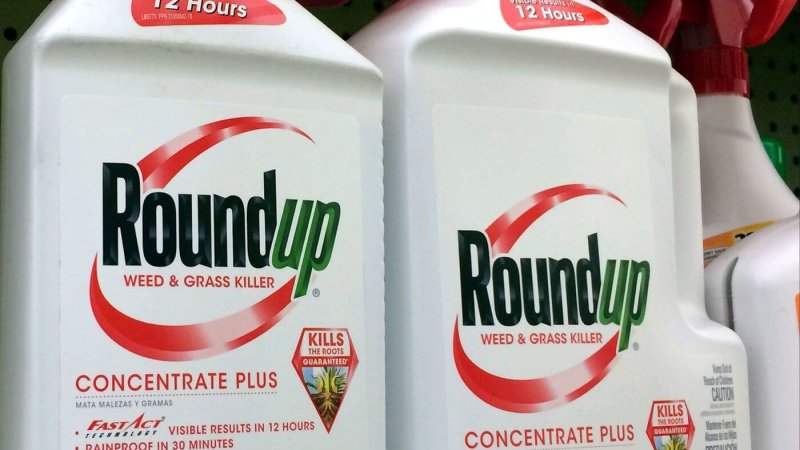
Glyphosate-cancer lawsuits spur development of next-generation weed killers

glyphosate

“Total fear and shock.” That’s how Andrew Kniss, a weed scientist at the University of Wyoming in Laramie, describes the reaction of farmers to recent courtroom defeats suffered by [Bayer,] a leading manufacturer of glyphosate, the world’s most widely used herbicide …. The scientists and farmers “are really nervous that these verdicts and public perception could cause them to lose this tool.”

But many companies are ramping up their R&D efforts. “I expect within the next decade we’ll see several new modes of action on the market,” says Stephen Duke, a plant physiologist with the U.S. Department of Agriculture in Oxford, Mississippi.

Some new candidates were described this week at a meeting of the International Union of Pure and Applied Chemistry in Ghent, Belgium, including a biopesticide Duke is studying called MBI-014. Under development by Marrone Bio Innovations in Davis, California, MBI-014 is made by bacteria and includes several compounds that attack plants in new ways, such as by interfering with RNA production, which disrupts protein synthesis.

Read full, original article: Costly cancer lawsuits may spur search to replace world’s most common weed killer


{{ reviewsTotal }}{{ options.labels.singularReviewCountLabel }}
{{ reviewsTotal }}{{ options.labels.pluralReviewCountLabel }}
{{ options.labels.newReviewButton }}
{{ userData.canReview.message }}

Related Articles

Infographic: Global regulatory and health research agencies on whether glyphosate causes cancer

Infographic: Global regulatory and health research agencies on whether glyphosate causes cancer

Does glyphosateโ€”the world's most heavily-used herbicideโ€”pose serious harm to humans? Is it carcinogenic? Those issues are of both legal and ...

Most Popular

Screenshot-2026-06-05-at-2.12.30-PM
Some plants can poison you. So how did humans figure out what is safe to eat?
Credit: ACSH
Viewpoint: Who and whatโ€™s to blame for the surge in vaccine-preventable diseases?
Organic-Produce
Viewpoint: Why you should ignore organic food advocatesโ€™ advice to avoid โ€˜pesticide soakedโ€™ conventional fruits and vegetables
ChatGPT-Image-Jun-5-2026-01_17_48-PM
GLP-1 weight-loss drugs may reshape our desires and emotions
ChatGPT-Image-Mar-10-2026-01_39_01-PM
Viewpointโ€”โ€œMiracle moleculeโ€ debunked: Why acemannan supplements donโ€™t work
Screenshot 2026-05-26 at 10.15
Viewpoint: Double standardโ€”Why does the wellness industry get a free pass while Big Healthcare is treated as morally suspect?
ChatGPT-Image-May-26-2026-07_51_21-AM-2
Viewpoint: There are more than 1,000 chemicals in a cup of coffeeโ€”including many substances that can cause cancer. Why isnโ€™t it banned?
Screenshot-2026-06-04-at-12.05.08-PM
Cases of brain inflammation surge as U.S. measles pandemic approaches 2000
Screenshot-2026-06-05-at-11.12.44-AM
โ€˜Protecting religious liberty and parental authorityโ€™: Challenging expert guidance, Trump signs off on Kennedyโ€™s gutting of childhood vaccine schedule
Picture1
Sounds we canโ€™t hear โ€” the hidden planetary signals behind science, fear, and misinformation
Screenshot-2026-05-28-at-1.36.28-PM
Viewpoint: Can mRNA research survive the Trump administration?
edb7f6d7-2370-418f-9578-74e29678e35c
Facts & Fallacies Podcast: Nicotine vapingโ€”public health miracle, or risk to children? Professor Cliff Douglas
ChatGPT Image May 26, 2026, 08_42_17 AM (1)
Viewpoint: Greenpeace and poison: How environmental advocacy groups rely on compliant (and often ignorant) journalists to spread disinformation and spark litigation
glp menu logo outlined

Get news on human & agricultural genetics and biotechnology delivered to your inbox.