Google’s AI beats human doctors at diagnosing lung cancer in study

5-22-2019 dims
Image: Engadget

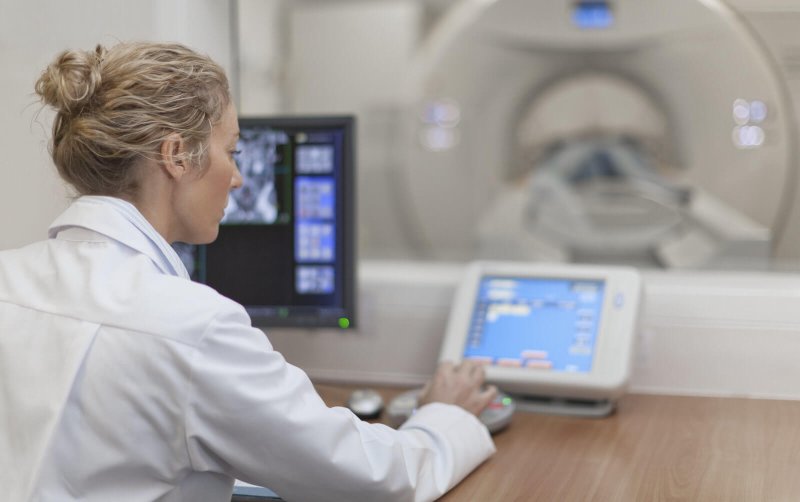
One of lung cancer’s most lethal attributes is its ability to trick radiologists. Some nodules appear threatening but turn out to be false positives. Others escape notice entirely, and then spiral without symptoms into metastatic disease.

On [May 20], however, Google unveiled an artificial intelligence system that — in early testing — demonstrated a remarkable talent for seeing through lung cancer’s disguises.

study published in Nature Medicine reported that the algorithm, trained on 42,000 patient CT scans taken during a National Institutes of Health clinical trial, outperformed six radiologists in determining whether patients had cancer. It detected 5% more cancers and cut false positives — when cancer is suspected though a nodule is harmless — by 11% from reviewing a single scan. It performed on par with the radiologists when prior images of patients were also included in the evaluation.

The results underscore AI’s potential to improve lung cancer screening and help radiologists diagnose malignancies earlier and with greater accuracy — though the research did not show whether the Google system would help patients live longer. Lung cancer is by far the most common killer of Americans among cancers, resulting in about 160,000 deaths in 2018.

Read full, original post: Google’s AI improves accuracy of lung cancer diagnosis, study shows

{{ reviewsTotal }}{{ options.labels.singularReviewCountLabel }}
{{ reviewsTotal }}{{ options.labels.pluralReviewCountLabel }}
{{ options.labels.newReviewButton }}
{{ userData.canReview.message }}

Related Articles

Infographic: Global regulatory and health research agencies on whether glyphosate causes cancer

Infographic: Global regulatory and health research agencies on whether glyphosate causes cancer

Does glyphosate—the world's most heavily-used herbicide—pose serious harm to humans? Is it carcinogenic? Those issues are of both legal and ...

Most Popular

Credit: ACSH
Viewpoint: Who and what’s to blame for the surge in vaccine-preventable diseases?
ChatGPT-Image-May-28-2026-12_56_54-PM
Viewpoint: Vaccines' non-specific effects? The ‘shoddy’ Danish couple whose 'research’ inspires RFK, Jr.’s health delusion
ChatGPT Image Jun 3, 2026, 03_14_43 PM
Viewpoint: How Earthjustice became the poster child for the abuse of special interest activist funding
Organic-Produce
Viewpoint: Why you should ignore organic food advocates’ advice to avoid ‘pesticide soaked’ conventional fruits and vegetables
Screenshot-2026-06-08-at-11.05.51-AM
Can vaping lead to cancer? New ‘association study’ raises questions of “links"
Screenshot-2026-06-05-at-2.12.30-PM
Some plants can poison you. So how did humans figure out what is safe to eat?
Screenshot-2026-06-08-at-10.19.30-AM
‘Natural’ wellness supplements linked to liver injury
Screenshot-2026-06-05-at-3.30.20-PM
Republican lawmakers spread misinformation claiming solar farms permanently destroy potato farms
edb7f6d7-2370-418f-9578-74e29678e35c
Facts & Fallacies Podcast: Nicotine vaping—public health miracle, or risk to children? Professor Cliff Douglas
ChatGPT-Image-Jun-5-2026-01_17_48-PM
GLP-1 weight-loss drugs may reshape our desires and emotions
Screenshot 2025-07-30 at 10.48
Can gene editing eliminate Down syndrome? Scientists have done it in lab-grown cells
ChatGPT-Image-Jun-5-2026-02_48_23-PM
Viewpoint: How Dr.TikTok (falsely) convinced me that cortisol was running my health
glp menu logo outlined

Get news on human & agricultural genetics and biotechnology delivered to your inbox.