Viewpoint: Growing GMO crops provides 4 major health benefits you probably didn’t know about

Screen Shot at PM
Jan Satyagraha/Wikimedia

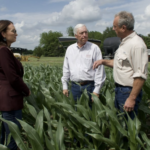
While the application of agricultural chemicals is highly mechanized in industrial countries, the same cannot be said for developing countries, where most applications are done through human labor using hand held applicators.
…

The application of insecticides must be done as the plants grow and mature, through the use of backpack sprayers, resulting in skin absorption of chemical residues. Exposures to chemicals such as this result in sickness of the person applying the chemicals, known as pesticide poisoning. GM crops, particularly Bt cotton, [have] resulted in significant reductions in pesticide poisoning cases due to reduced applications and reduced levels of insecticide exposure. Reductions in farmer pesticide poisonings have been quantified in China, India, Pakistan and South Africa.

…

While millions of farmers growing Bt cotton are experiencing reduced incidences of pesticide poisoning, all of the estimated 17 million farmers growing GM crops globally have reduced chemical exposures. Certainly, the reduced rates of pesticide poisoning, possibly in excess of 100 million cases, is a vital statistic of the benefits of GM crops, but perhaps the most significant is the contribution to improved mental health from farmers, especially those in India.
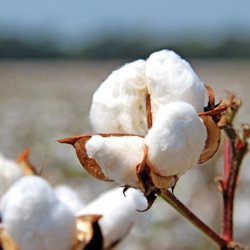

Suicide is a devastating part of agriculture, to which no country is immune and the observed plateauing and now reduction in Indian farmer suicide rates is a benefit that simply cannot be surpassed. By allowing cotton farmers to be more profitable, Bt cotton has allowed tens of thousands of Indian cotton farmers to have more options and opportunities to continue farming. The true benefit of GM crops can be measured through the thousands of family members that no longer have to deal with the anguish and grief suicide causes.

Read full, original article: The Human Health Benefits from GM Crops

Related Articles

Infographic: Global regulatory and health research agencies on whether glyphosate causes cancer

Infographic: Global regulatory and health research agencies on whether glyphosate causes cancer

Does glyphosate—the world's most heavily-used herbicide—pose serious harm to humans? Is it carcinogenic? Those issues are of both legal and ...

Most Popular

ChatGPT-Image-Mar-10-2026-01_39_01-PM
Viewpoint—“Miracle molecule” debunked: Why acemannan supplements don’t work
Stern-Profile-and-Marked-U.S.-Map
RFK Jr.’s collapsing legacy: U.S. poised to lose measles elimination status
Colorful GLP-1 Pens with Clocks_tagger
Biohacker influencers are claiming GLP-1 weight loss drugs extend lifespan. One mice experiment suggests there may be some truth to the claim
Screenshot-2026-11-04-at-11.31.42-AM
Uneasy allies: Are MAHA and American agriculture careening toward a breakup?
Children’s Health Defense Press Conference
As measles deaths among the unvaccinated hit a 35-year high, Kennedy-founded Children’s Health Defense bizarrely blames doctors for slow-walking a cure
Screenshot-2026-11-06-at-11.44.47-AM
'Gattaca stack': The eugenic, technological push to 'improve the human stock'
Neon Binary Code Bacteriophage
AI medicine breakthrough: Could ‘good viruses’ created by AI, cure deadly viruses?
Teal Hexagon Technology Icons
4 key ways the Blue Wave will upend science policy
Aerial Sprayer Over Gradient Fields
Farming, food, and chemicals: Post-midterms, the MAHA alliance between Democrats and MAGA Republicans is bruised but not cowed. What comes next?
Supplement Rain Wellness Illustration
Viewpoint: Bedeviled by “toxic inflammation”? How wellness grifters turn this scientific gray zone into a supplement jackpot
Bayer Crop Circle in Golden Wheat
Making fertilizer from thin air: Bayer’s gene-editing innovation could dramatically cut chemical fertilizer use in growing food
glp menu logo outlined

Get news on human & agricultural genetics and biotechnology delivered to your inbox.