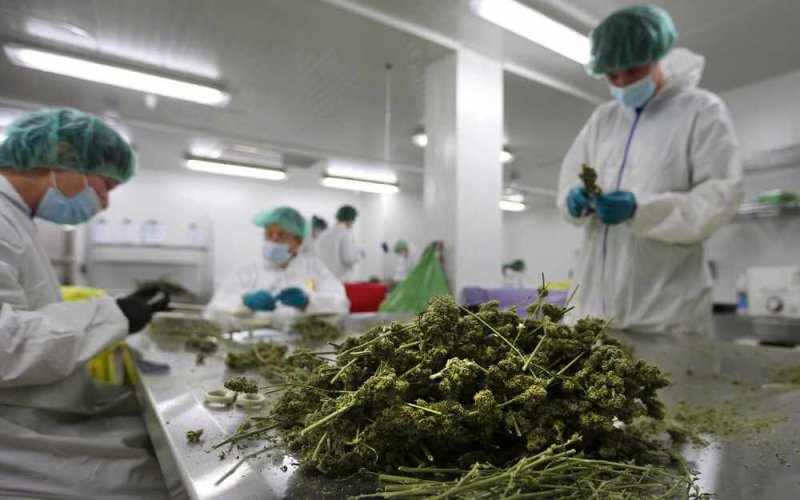

Because cannabis is still considered illegal at the federal level, the responsibility of regulating cannabis and cannabis-derived products falls to states, creating a patchwork of different testing requirements across the country. In addition, state governments issue little to no guidance about protocols for testing products for either potency or safety. Instead, labs have had to trailblaze the development of their own methods.
Now, in a cannabis testing industry that is only a few years old, it’s evident that reports on potency can vary from lab to lab, and recalls of contaminated products happen across the country, threatening consumer trust.
…
Many experts blame this variability on the lack of standardized methods for determining marijuana potency. Lab protocols can differ in the specific solvents or reagents used during extraction and analysis. Then there are the instruments themselves, which may come from different manufacturers and have different calibration standards, potentially contributing additional variation.


…
“We started a billion-dollar industry not more than a couple of years ago,” [dispensary owner Jerred] Kiloh says. Finding standards that keep consumers safe and informed while also allowing the young cannabis-testing industry to thrive will take time, he says. “We still have some work to do to get to very clear standards for testing in labs.”