Biomarkers could be key to blood test for concussions

unnamed file
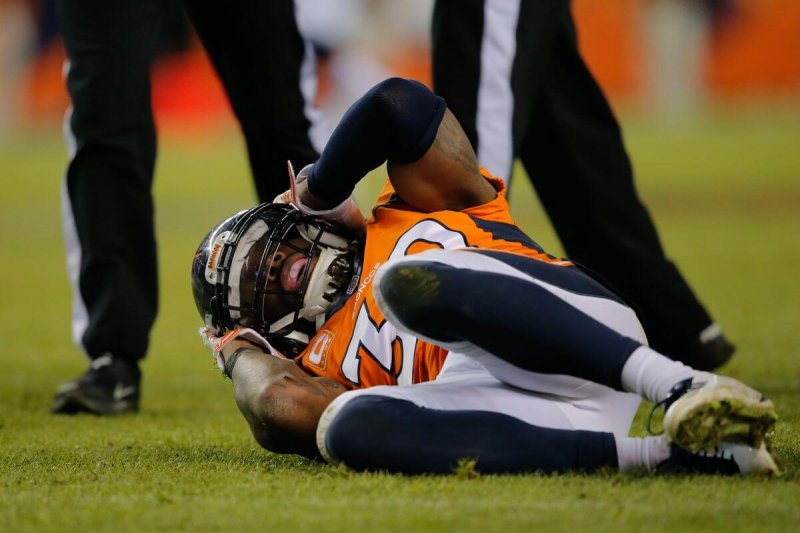
Credit: Doug Pensinger

There is no single distinguishing feature of a concussion. Most of these symptoms can also be present in other types of injury or disease. In many cases, even brain scans of concussed patients, such as MRI or CT scans, appear normal. As a result, researchers are racing to find alternative methods to better diagnose concussions.

Recently, there has been new hope that specific biomarkers – objective and quantitative indicators of disease, illness, or injury – could signify someone has developed a concussion. The use of biomarkers to diagnose diseases has already proven successful for many types of cancers and heart damage. These biomarkers include levels of certain proteins or molecules in blood, urine, or even saliva.

Perhaps someday all of these potential biomarkers could be used together: GFAP and UCH-L1 to determine the presence of a brain bleed, and BDNF to provide insight into the severity of the concussion itself. Going forward, it will be important for scientists work together to define particular symptoms of a concussion, both on a biological and physiological level. The more specific we get, the easier it will be to define biomarkers, and to identify clusters of physiological changes in order to define the disease.


Read the original post

{{ reviewsTotal }}{{ options.labels.singularReviewCountLabel }}
{{ reviewsTotal }}{{ options.labels.pluralReviewCountLabel }}
{{ options.labels.newReviewButton }}
{{ userData.canReview.message }}

Related Articles

Infographic: Global regulatory and health research agencies on whether glyphosate causes cancer

Infographic: Global regulatory and health research agencies on whether glyphosate causes cancer

Does glyphosate—the world's most heavily-used herbicide—pose serious harm to humans? Is it carcinogenic? Those issues are of both legal and ...

Most Popular

Screen Shot at AM
Facts & Fallacies Podcast: Right-wing politics bad for your health? Separating speculation from science
ChatGPT-Image-Jun-13-2026-11_51_39-AM
Viewpoint: COVID lab leak? Misguided backers of the lab leak theory refuse to give up
ChatGPT Image Jun 3, 2026, 03_54_37 PM
Viewpoint: “Turn on, tune in, drop out”—Kennedy embraces the Timothy Leary psychedelic revolution
drug look like ozempic
Six key health insights from taking weight-loss drugs
Screenshot-2026-06-14-at-9.14.26-AM
‘Humanitarian catastrophe’: Trump’s USAID shutdown could help drive nearly 23 million deaths — including 5.4 million children — by 2030, Lancet study warns
ChatGPT-Image-Jun-14-2026-09_41_44-AM-2
Viewpoint—‘The gleeful efficiency of an arsonist’: Administration’s health and science research cuts are ‘sabotaging’ America’s future
ChatGPT-Image-Jun-11-2026-01_15_03-PM
Selective Pressure, Selective Silence
ChatGPT-Image-Jun-15-2026-11_00_13-AM-2
Glucosamine alert: Alzheimer’s progresses faster among those taking the popular supplement
ChatGPT-Image-Mar-10-2026-01_39_01-PM
Viewpoint—“Miracle molecule” debunked: Why acemannan supplements don’t work
ChatGPT Image Jun 3, 2026, 03_14_43 PM
Viewpoint: How Earthjustice became the poster child for the abuse of special interest activist funding
ChatGPT Image Jun 12, 2026, 02_32_14 PM
‘Have you asked your doctor?’: AMA launches campaign to counter health misinformation
Screenshot-2026-06-14-at-9.53.54-AM
Is the World Cup a perfect storm for the spread of infectious diseases?
Screenshot-2026-06-05-at-2.12.30-PM
Some plants can poison you. So how did humans figure out what is safe to eat?
Screenshot-2026-06-11-at-3.40.06-PM
'Toxin' detox: A gastroenterologist weighs in on $71 billion health trend
glp menu logo outlined

Get news on human & agricultural genetics and biotechnology delivered to your inbox.