Viewpoint: Excessive animal biotech rules hinder our efforts to battle coronavirus

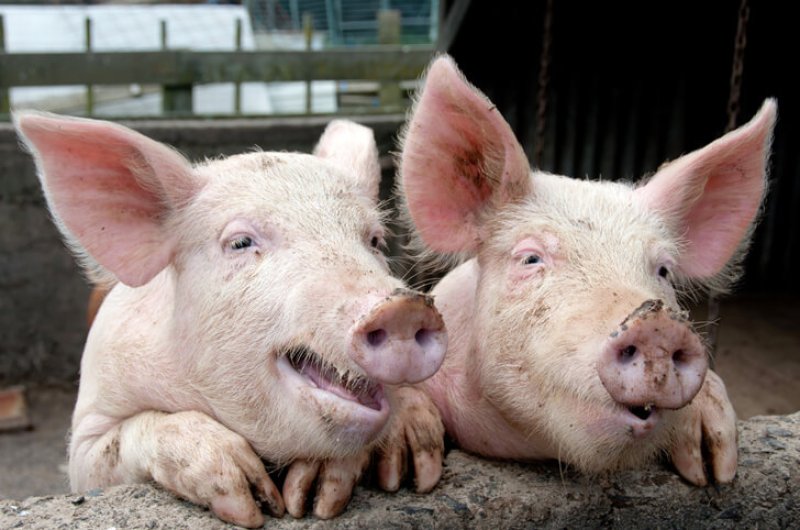
pig poo happy pigs
Credit: Inhabitat

To help the U.S. better prepare for the future, we need changes to the U.S. animal biotechnology regulatory system. The U.S. government’s current approach to regulating animal biotechnology as a “new animal drug” has all but destroyed investment and blocked market access for a host of beneficial products.

Biotechnology, for example, could arm pigs with resistance to African Swine Fever. Similarly, scientists have developed a chicken that is resistant to contracting and transmitting avian influenza.

Other innovations in animal biotechnology may be able prevent, prepare for, and respond to outbreaks of infectious diseases such as coronavirus, Ebola, MERS, Zika, among others, by providing prevention strategies and treatments for humans.

Unfortunately, the United States regulatory system for animal biotechnology is not appropriately science- or risk-based, and as a result we are falling behind other countries, such as Brazil, where innovative start-ups are finding more support.

Indeed, despite decades of animal biotechnology research and advances, only one biotech food animal has been approved to date – the AquaBounty salmon – which languished in the U.S. regulatory system for more than two decades and still has not hit the market because of political interference.


Read the original post

Related Articles

Infographic: Global regulatory and health research agencies on whether glyphosate causes cancer

Infographic: Global regulatory and health research agencies on whether glyphosate causes cancer

Does glyphosate—the world's most heavily-used herbicide—pose serious harm to humans? Is it carcinogenic? Those issues are of both legal and ...

Most Popular

ChatGPT-Image-Sep-2-2026-10_30_14-PM
Zero: That is the official American measles death toll for 2026. Here is what RFK Jr.’s CDC leaves out.
Screenshot-2026-09-10-at-12.20.19-PM
'Jet fuel didn't melt the steel': 9/11 conspiracy theories debunked
ChatGPT-Image-Sep-14-2026-11_36_25-AM
How the reckless AI race among Anthropic, OpenAI and China spawned today’s safety crisis
ChatGPT-Image-Sep-13-2026-10_24_17-AM
Bayer urges court to approve $7.25 billion Monsanto Roundup settlement that could limit its future liabilities
ChatGPT-Image-Aug-28-2026-03_33_46-PM
Viewpoint: Bad science—Five bogus Trump administration claims about vaccines and autism
ChatGPT-Image-Mar-10-2026-01_39_01-PM
Viewpoint—“Miracle molecule” debunked: Why acemannan supplements don’t work
screenshot at  am
‘Glyphosate is not carcinogenic’: Independent EU chemical oversight agency reaffirms—for the 3rd time in 9 years—that the herbicide is safe-as-used
Screenshot-2026-09-14-at-3.07.56-PM
Trump EPA rolls back power-plant climate rules—and moves to block future carbon limits
Screenshot-2026-09-14-at-10.52.30-AM
AI is being used in dangerous bioscience experiments
ChatGPT-Image-Sep-14-2026-02_57_24-PM
Viewpoint: 6 Atlantic Council expert opinions on the U.S., China and the AI safety crisis
Screenshot-2026-08-04-at-11.36.16-AM
Viewpoint: Emotion-driven stories of doctors allegedly ignoring patient concerns are driving vaccine hesitancy
ChatGPT-Image-Sep-13-2026-10_46_11-AM
“Hit the brakes”: Anthropic warns the race to superintelligence could spawn internet-seizing AI swarms—and empower authoritarians. Here’s how to stop it.
ChatGPT-Image-Aug-14-2026-11_16_47-AM
Fibermaxxing: Latest Instagram diet craze raises hope that a fiber-rich diet can improve health
glp menu logo outlined

Get news on human & agricultural genetics and biotechnology delivered to your inbox.