Missing link: The complicated sex lives of ancient humans

fb d aeebdc b c ad
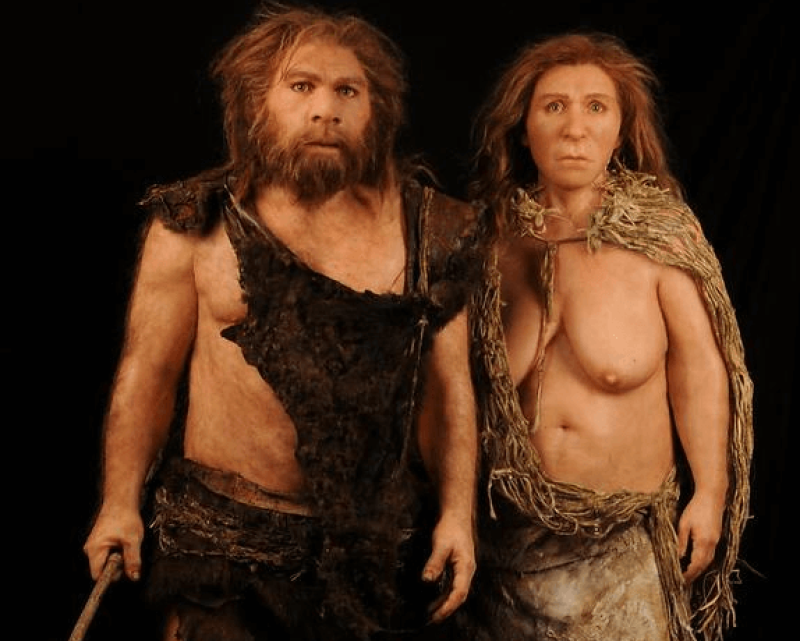
Credit: Elisabeth Daynes/Science Source

Analysis of two Neanderthal genomes, one Denisovan genome, and four modern human genomes revealed new evidence of gene flow between these species, further confirming previous work that suggests that they mated with one another.

The team found that three percent of the Neanderthal genome came from interbreeding with ancient humans. They estimate this intermixing happened between 200,000 and 300,000 years ago โ€” far earlier than previous estimates indicated.

They also found that one percent of the Denisovan genome contained genetic material that came from an unexpected source โ€“ an “archaic human ancestor” that was neither human, nor Neanderthal, nor Denisovan.

The authors suggest that 15 percent of genetic regions that came from that archaic ancestor have been passed on to humans today, and there are a few theories as to who it came from and how it got baked into our genetic code.

The team proposes that this archaic human ancestor could beย Homo Erectus.

Homo Erectusย was likely one of the first human ancestors toย leave Africa,ย spreadingย to areas like the modern-day Republic of Georgia, China, and Indonesia.

Follow the latest news and policy debates on sustainable agriculture, biomedicine, and other ‘disruptive’ innovations. Subscribe to our newsletter.

At this point the authors know one thing for sure: “it may be reasonable to assume that genetic exchange was likely whenever two groups overlapped in time and space,” they write.

That is, if any two species found themselves in the same place at the same time, they were probably getting it on.


Read the original post

{{ reviewsTotal }}{{ options.labels.singularReviewCountLabel }}
{{ reviewsTotal }}{{ options.labels.pluralReviewCountLabel }}
{{ options.labels.newReviewButton }}
{{ userData.canReview.message }}

Related Articles

Infographic: Global regulatory and health research agencies on whether glyphosate causes cancer

Infographic: Global regulatory and health research agencies on whether glyphosate causes cancer

Does glyphosateโ€”the world's most heavily-used herbicideโ€”pose serious harm to humans? Is it carcinogenic? Those issues are of both legal and ...

Most Popular

Picture1-5
Science Disinformation Gap: The transatlantic battle over social media and censorship
Screenshot-2026-04-23-at-11.00.36-AM
Regulators' dilemma: Thalidomide, Metformin, and the cost of getting drug approvals wrong
ChatGPT-Image-May-12-2026-08_39_41-PM
GLP podcast: Big Pharma, Big Ag, Big Foodโ€”health harming industries or life-saving innovators?
Screenshot-2026-05-12-at-9.58.31-PM
'He seems fine': Marty Makary out as FDA commissioner
ChatGPT Image May 10, 2026, 08_16_59 PM 2
Overmedicalization? RFK Jr.โ€™s antidepressant crackdown raises conflict questions over his fee stake in Wisner Baum, the tort firm built on suing drug makers
Picture1-1
Cooling the planet with balloons: Could a geoengineering gamble slow global warming?
Screenshot-2026-05-12-at-10.05.11-AM
Pro-vaccine โ€œheroโ€ vs. an anti-vax โ€œvillainโ€: โ€˜Bad Vaxxโ€™ video stirs MAHA backlash
ChatGPT Image May 12, 2026, 10_19_00 AM 2
Viewpointโ€” 'Muscular governance': How authoritarianism is surging corporate-linked energy misinformation
Picture1-14
When superbugs threaten vulnerable children: Can AI help solve antibiotic resistance?
S
As vaccine rejectionism spreads, measles may be taking a more dangerous turn
Screenshot-2026-05-11-104424
Hantavirus outbreak research: Trump administration shut down study last year on rodent-to-human transmission
Screenshot-2026-05-01-at-1.29.41-PM
Viewpoint: What happens when whole grains meet modern food manufacturing? Labels donโ€™t tell the whole story.
ChatGPT-Image-Apr-13-2026-02_20_22-PM
Viewpoint: Misinformation infodemic? Why assessing evidence is so challengingย 
glp menu logo outlined

Get news on human & agricultural genetics and biotechnology delivered to your inbox.