Mosquitoes are one of humanity’s most dangerous enemies. Here’s how synthetic biology might lead to a long-lasting repellant

Credit: iStock
Credit: iStock

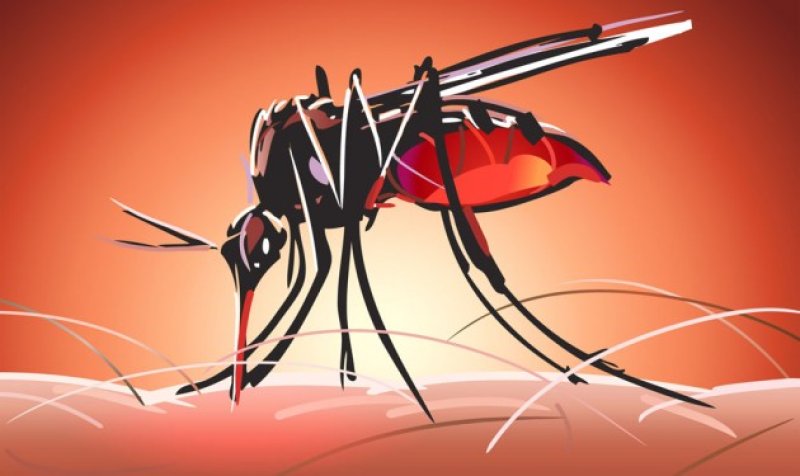
Vector-borne diseases, such as malaria, dengue, and Zika, are pathogens that can be transmitted through the bite of an insect. Though vaccines for some of these illnesses are in development, current prevention options are not very effective.

To address this issue, the Defense Advanced Research Projects Agency (DARPA) is looking at synthetic biology as a method to find an easy to use, cost-effective solution.

In a recent announcement, DARPA awarded Ginkgo Bioworks, Azitra, Latham BioPharm Group, and Florida International University (FIU) a contract of up to $15 million to create a novel, long-lasting mosquito repellent using engineered microbes.

Currently, all available mosquito repellents fall short in providing long-lasting, effective protection. They require an application to the skin every few hours and are impractical for use in the field. ReVector’s new project hopes their microbe-based solution will protect against mosquito bites for at least two weeks, skipping the need for continuous reapplication.

Mis- and disinformation are distorting science and public policy. Subscribe to our Daily and Weekly Digests for incisive coverage of ‘disruptive’ innovations in AI, agricultural biotechnology, food, chemicals, nuclear energy, vaccines, and other disruptive innovations.

Zach Smith, Director of Government Business at Ginkgo Bioworks, gave insights into the project’s approach. “There are two ways to deal with mosquitoes, you can repel them or you can isolate the signals humans give off to attract mosquitoes and weaken them. We are planning to do both,” says Smith.


Read the original post

Related Articles

Infographic: Global regulatory and health research agencies on whether glyphosate causes cancer

Infographic: Global regulatory and health research agencies on whether glyphosate causes cancer

Does glyphosate—the world's most heavily-used herbicide—pose serious harm to humans? Is it carcinogenic? Those issues are of both legal and ...

Most Popular

ChatGPT-Image-Sep-17-2026-12_28_43-PM
Vitamin D, omega-3 fish oil and glucosamine supplements could cause brain damage 
ChatGPT-Image-Mar-10-2026-01_39_01-PM
Viewpoint—“Miracle molecule” debunked: Why acemannan supplements don’t work
ChatGPT-Image-Sep-17-2026-10_17_15-AM
Viewpoint: Why are the less intelligent more likely to be conservative—and smarter people more socially liberal?
Screenshot-2026-09-10-at-12.20.19-PM
'Jet fuel didn't melt the steel': 9/11 conspiracy theories debunked
Screenshot-2026-09-16-at-12.07.47-PM
The heated debate over trans athletes in the WNBA
Screenshot-2026-09-10-at-11.50.46-AM
Did COVID vaccines kill 2,500 service members? RFK Jr. hires an investigator who compares vaccine promoters to Nazi doctors
Screenshot 2026-07-29 at 10.40
The COVID vaccine turbo cancer scare is back. Science still proves it’s wrong.
ChatGPT-Image-Aug-28-2026-03_33_46-PM
Viewpoint: Bad science—Five bogus Trump administration claims about vaccines and autism
glp menu logo outlined

Get news on human & agricultural genetics and biotechnology delivered to your inbox.