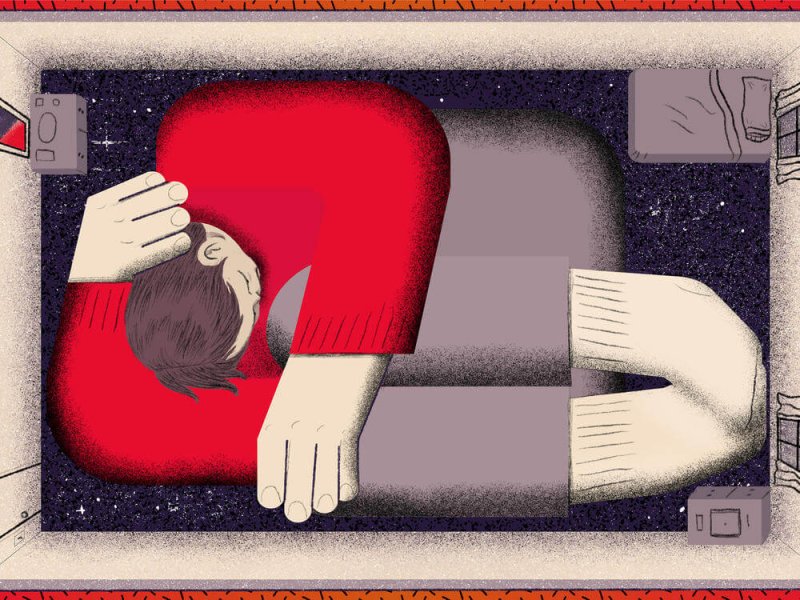
COVID might be amplifying teenage suicide rates. Here’s how to help

Credit: LA Johnson/NPR

Even during normal times, many mental health problems tend to emerge in adolescence, and young people in this group are particularly vulnerable to social isolation. In Las Vegas, an increase in the number of student suicides during the pandemic spurred the superintendent’s recent decision to reopen schools.

Parents should think about the different ways adolescents might respond to stress, said Dr. Rebecca Leeb, a health scientist at the Centers for Disease Control and Prevention who led a team on emotional well-being and mental health in the pandemic. Perhaps they are withdrawing and sleeping more; eating more or less; or trying drugs, alcohol or tobacco.

Parents can encourage their teenagers to get out of the house and to use the right safety measures — masks, hand-washing, distancing — so that they can spend time outside with friends. She emphasized that “social interaction” is important, whether that’s “exercise or drawing or hiking or taking the dog for a walk.” 

Follow the latest news and policy debates on sustainable agriculture, biomedicine, and other ‘disruptive’ innovations. Subscribe to our newsletter.

Laura Anthony, a child psychologist at Children’s Hospital Colorado and an associate professor at the University of Colorado School of Medicine, said that one common mistake that even she sometimes makes is trying to solve a child’s problems. “What I need to do is just listen,” she said.


Read the original post

{{ reviewsTotal }}{{ options.labels.singularReviewCountLabel }}
{{ reviewsTotal }}{{ options.labels.pluralReviewCountLabel }}
{{ options.labels.newReviewButton }}
{{ userData.canReview.message }}

Related Articles

Infographic: Global regulatory and health research agencies on whether glyphosate causes cancer

Infographic: Global regulatory and health research agencies on whether glyphosate causes cancer

Does glyphosate—the world's most heavily-used herbicide—pose serious harm to humans? Is it carcinogenic? Those issues are of both legal and ...

Most Popular

ChatGPT-Image-Jun-9-2026-01_11_37-PM
Turmeric supplements: More risks than benefits
ChatGPT-Image-Mar-10-2026-01_39_01-PM
Viewpoint—“Miracle molecule” debunked: Why acemannan supplements don’t work
Screenshot-2026-06-05-at-2.12.30-PM
Some plants can poison you. So how did humans figure out what is safe to eat?
wuhan institute of virology main entrance
​​COVID lab leak? Making a case that the Wuhan market origins theory is wrong
Screenshot-2026-06-17-at-9.44.03-AM
Viewpoint: Embryos are becoming the newest battleground of love, loss, and legal uncertainty
ChatGPT-Image-Jun-14-2026-09_41_44-AM-2
Viewpoint—‘The gleeful efficiency of an arsonist’: Administration’s health and science research cuts are ‘sabotaging’ America’s future
ChatGPT Image May 26, 2026, 08_42_17 AM (1)
Viewpoint: Greenpeace and poison: How environmental advocacy groups rely on compliant (and often ignorant) journalists to spread disinformation and spark litigation
ChatGPT-Image-Jun-11-2026-01_15_03-PM
Selective Pressure, Selective Silence
ChatGPT Image May 28, 2026, 08_16_38 PM
Viewpoint: Why the EPA mismeasures cancer risk of chemicals and what should be done to fix it

Sorry. No data so far.

glp menu logo outlined

Get news on human & agricultural genetics and biotechnology delivered to your inbox.