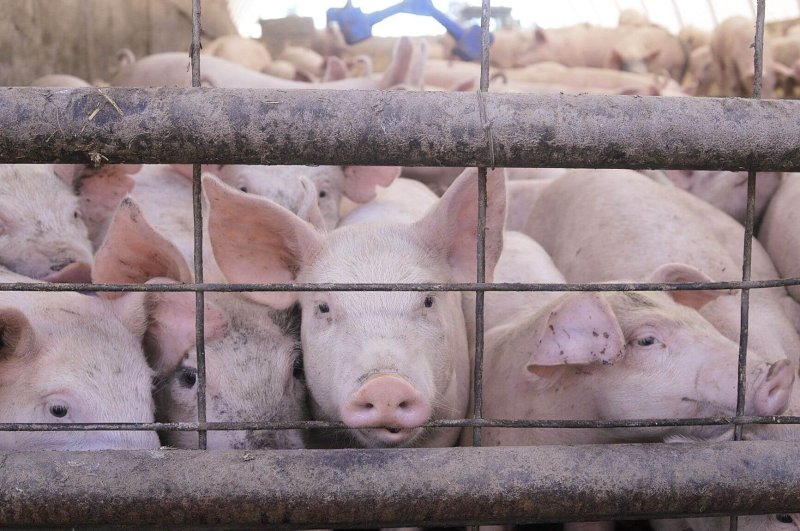
Advocacy groups and biotechnology opponents urge FDA to strictly regulate genetically engineered animals

Credit: Eric Mortenson/Capital Press

In January, the Trump administration proposed that the FDA, USDA and the U.S. Health and Human Services Department sign a memorandum of understanding [or MOU]. Under it, USDA would have provided end-to-end oversight, from pre-market reviews through post-market food safety monitoring for farm animals modified or developed using genetic engineering that are intended for human food.

However, FDA Commissioner Stephen Hahn refused to sign the MOU, saying he didn’t support it and intended to disregard it.

“FDA remains undeterred in our steadfast commitment to ensure that animal agriculture biotechnology products undergo independent and science- and risk-based evaluations by our career experts,” Hahn said in a Twitter post in January.

Follow the latest news and policy debates on sustainable agriculture, biomedicine, and other ‘disruptive’ innovations. Subscribe to our newsletter.

In announcing the MOU, former USDA Secretary Sonny Perdue, repeated animal and meat industry arguments that FDA’s safety-oriented regulatory approach impedes rapid commercialization of GE animals.

The animal agriculture industry has demanded regulatory certainty to expedite investment in and commercialization of GE animals, the groups said.

“However, reassigning regulatory authority to an agency avid to market GE products worldwide represents a conflict of interest and very likely could compromise the scientific integrity of novel GE animals,” they said.


Read the original post

{{ reviewsTotal }}{{ options.labels.singularReviewCountLabel }}
{{ reviewsTotal }}{{ options.labels.pluralReviewCountLabel }}
{{ options.labels.newReviewButton }}
{{ userData.canReview.message }}

Related Articles

Infographic: Global regulatory and health research agencies on whether glyphosate causes cancer

Infographic: Global regulatory and health research agencies on whether glyphosate causes cancer

Does glyphosate—the world's most heavily-used herbicide—pose serious harm to humans? Is it carcinogenic? Those issues are of both legal and ...

Most Popular

ChatGPT-Image-Mar-10-2026-01_39_01-PM
Viewpoint—“Miracle molecule” debunked: Why acemannan supplements don’t work
ChatGPT-Image-Jun-25-2026-01_14_50-PM
Viewpoint: Disinformation grift: The wellness industry is a lucrative and mostly worthless marketplace of ‘balms, brews, and baloney’
ChatGPT-Image-Jun-25-2026-12_23_17-PM
No, Bill Gates did not secretly engineer ticks to promote veganism
ChatGPT-Image-Jun-30-2026-01_09_47-PM
Viewpoint: As MAHA blows up over Supreme Court ruling limiting glyphosate litigation, Trump offers toothless plan to reduce pesticides in food
ChatGPT-Image-Jun-23-2026-12_19_35-PM
Ideological red flag: Led by anti-vax doctor, Tennessee is now the U.S. epicenter selling potent ivermectin shown worthless to prevent or treat Covid
ChatGPT-Image-Mar-4-2026-09_39_03-AM
Transgender female athletes and Title IX: Separating ‘policy’ from ‘legality’
Screenshot-2026-06-30-at-10.43.50-AM
Viewpoint: Why are there no approved bioengineered insect-protected (Bt) apples?
Screenshot-2026-06-30-at-3.08.03-PM
From infrared sauna blankets to collagen gummies, here’s the top 10 social-media-promoted wellness shams
marijuana-pot-in-hand-nveri-st-xpm-t-abq-fkifeos-s-rws-cmpx-
Facts & Fallacies podcast: Legalized weed drives drug addiction, psychosis?
photodune farming tractor s
Viewpoint: Glyphosate may be hazardous, but it is not dangerous as used by farmers. Critics of the Supreme Court’s Roundup ruling garble hazard with risk

Sorry. No data so far.

glp menu logo outlined

Get news on human & agricultural genetics and biotechnology delivered to your inbox.