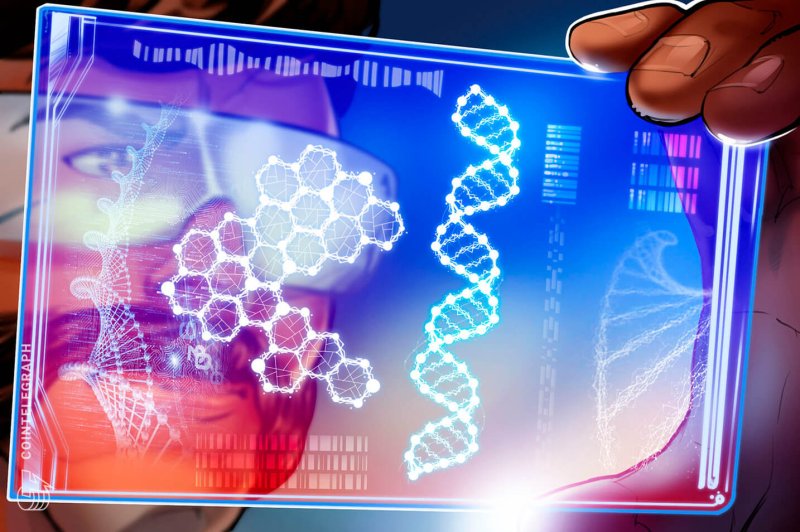
Can you market your genome as a non-fungible token (NFT)?

Credit: Cointelegraph

In the past few months, [a novel cryptocurrency asset called] non-fungible tokens, or NFTs, have become the hot new investment trend, generating skepticism, confusion, and millions of dollars. 

[P]rominent members of the synthetic biology community, among others, have auctioned off their genome as NFTs. Jack Dorsey auctioning Twitter’s first tweet for millions of dollars may seem fairly innocuous. But selling the rights to personal health data has important legal, technological, and ethical considerations that underscore that demand a closer look.

An NFT is simply the ownership of a tokenized representation of something, rather than ownership of the thing itself. For an NFT genome, does auctioning off ownership of a representation of your genome imply the loss of “property rights” over your genome? This of course assumes you have ownership of your genome in the first place, which some debate.

“If you sell an NFT of your genome to a drug company, you’re licensing it to them to use for research,” says Alex Pearlman, bioethicist and science journalist. “That doesn’t mean that the pharmaceutical company owns it.”

Follow the latest news and policy debates on sustainable agriculture, biomedicine, and other ‘disruptive’ innovations. Subscribe to our newsletter.

Pandora’s box has been opened with the few NFT genomes on the market. Given the lack of existing frameworks to adequately contextualize this form of innovation, the world is already behind. 

Read the original post

{{ reviewsTotal }}{{ options.labels.singularReviewCountLabel }}
{{ reviewsTotal }}{{ options.labels.pluralReviewCountLabel }}
{{ options.labels.newReviewButton }}
{{ userData.canReview.message }}

Related Articles

Infographic: Global regulatory and health research agencies on whether glyphosate causes cancer

Infographic: Global regulatory and health research agencies on whether glyphosate causes cancer

Does glyphosate—the world's most heavily-used herbicide—pose serious harm to humans? Is it carcinogenic? Those issues are of both legal and ...

Most Popular

ChatGPT-Image-Jun-30-2026-01_09_47-PM
Viewpoint: As MAHA blows up over Supreme Court ruling limiting glyphosate litigation, Trump offers toothless plan to reduce pesticides in food
ChatGPT-Image-Jun-23-2026-12_19_35-PM
Ideological red flag: Led by anti-vax doctor, Tennessee is now the U.S. epicenter selling potent ivermectin shown worthless to prevent or treat Covid
Screenshot-2026-06-30-at-2.06.25-PM
PEW study: The sick state of American health information
ChatGPT-Image-Jun-25-2026-12_23_17-PM
No, Bill Gates did not secretly engineer ticks to promote veganism
Screenshot-2026-06-30-at-3.08.03-PM
From infrared sauna blankets to collagen gummies, here’s the top 10 social-media-promoted wellness shams
ChatGPT-Image-Mar-4-2026-09_39_03-AM
Transgender female athletes and Title IX: Separating ‘policy’ from ‘legality’
Screenshot-2026-06-30-at-10.43.50-AM
Viewpoint: Why are there no approved bioengineered insect-protected (Bt) apples?
photodune farming tractor s
Viewpoint: Glyphosate may be hazardous, but it is not dangerous as used by farmers. Critics of the Supreme Court’s Roundup ruling garble hazard with risk
marijuana-pot-in-hand-nveri-st-xpm-t-abq-fkifeos-s-rws-cmpx-
Facts & Fallacies podcast: Legalized weed drives drug addiction, psychosis?
Screenshot-2026-06-17-at-12.31.01-PM
Viewpoint: The dangerous influence of ‘woke’ post-modernism in science
ChatGPT-Image-Mar-10-2026-01_39_01-PM
Viewpoint—“Miracle molecule” debunked: Why acemannan supplements don’t work
ChatGPT-Image-Jun-30-2026-02_48_10-PM
Independent news review site launches free credibility and fact-vetted aggregation chatbot
ChatGPT-Image-Jun-25-2026-01_14_50-PM
Viewpoint: Disinformation grift: The wellness industry is a lucrative and mostly worthless marketplace of ‘balms, brews, and baloney’
glp menu logo outlined

Get news on human & agricultural genetics and biotechnology delivered to your inbox.