How intermittent fasting can control weight and extend your life

Credit: Everyday Health

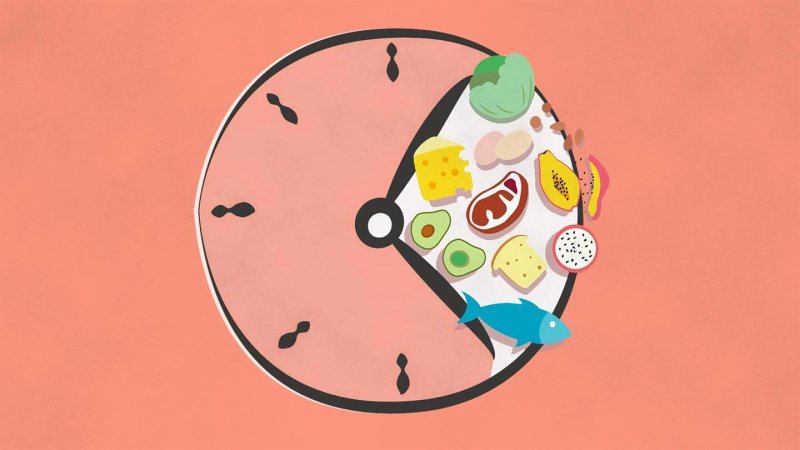
Unlike many trendy diets, intermittent fasting appears to deliver real benefits—provided dieters can stick to the schedule, which usually restricts eating to an eight-hour window each day. Dieters, however, may be able to pad their eating schedules while trimming their waistlines—and extending their healthspans—if the results of a new study can be exploited pharmacologically.

This study, from researchers based at Columbia University, demonstrated that in fruit flies, the benefits of intermittent fasting are attributable to circadian autophagy.

Follow the latest news and policy debates on sustainable agriculture, biomedicine, and other ‘disruptive’ innovations. Subscribe to our newsletter.

“We found that the life-extending benefits of [intermittent fasting, or] iTRF require a functional circadian rhythm and autophagy components,” The study’s senior author, Dr. Mimi Shirasu-Hiza declared. “When either of those processes were disrupted, the diet had no effect on the animals’ longevity.”

Besides increasing the flies’ lifespan, iTRF improved the flies’ “healthspan,” increasing muscle and neuron function, reducing age-related protein aggregation, and delaying the onset of aging markers in muscles and intestinal tissues.

Human cells use the same cell-cleaning processes, so the findings raise the possibility that behavioral changes or drugs that stimulate the cleaning process could provide people with similar health benefits, delaying age-related diseases and extending the lifespan.


This is an excerpt. Read the original post here. 

{{ reviewsTotal }}{{ options.labels.singularReviewCountLabel }}
{{ reviewsTotal }}{{ options.labels.pluralReviewCountLabel }}
{{ options.labels.newReviewButton }}
{{ userData.canReview.message }}

Related Articles

Infographic: Global regulatory and health research agencies on whether glyphosate causes cancer

Infographic: Global regulatory and health research agencies on whether glyphosate causes cancer

Does glyphosate—the world's most heavily-used herbicide—pose serious harm to humans? Is it carcinogenic? Those issues are of both legal and ...

Most Popular

Screenshot-2026-04-14-at-11.11.06-AM
‘Turbo cancer’ or mRNA cancer cure? Strategies to counter misinformation
Screenshot 2025-07-30 at 10.48
Can gene editing eliminate Down syndrome? Scientists have done it in lab-grown cells
ChatGPT-Image-Mar-10-2026-01_39_01-PM
Viewpoint—“Miracle molecule” debunked: Why acemannan supplements don’t work
Screenshot-2026-04-22-at-12.21.32-PM
Viewpoint: Why the retracted Monsanto glyphosate study doesn’t change the science—the world’s most popular herbicide is safe 
ChatGPT-Image-May-22-2026-10_56_42-AM-2
‘It’s not super useful’: As wariness about AI grows, Trump proposes rollback of healthcare safeguards
ChatGPT Image May 10, 2026, 08_16_59 PM 2
Overmedicalization? RFK Jr.’s antidepressant crackdown raises conflict questions over his fee stake in Wisner Baum, the tort firm built on suing drug makers
edb7f6d7-2370-418f-9578-74e29678e35c
Facts & Fallacies Podcast: Nicotine vaping—public health miracle, or risk to children? Professor Cliff Douglas
Screenshot 2026-05-29 at 2.47
Psychological inoculation: With a vaccine to prevent HIV on the horizon, misinformation is soaring. What can be done.
Picture1-5
Science Disinformation Gap: The transatlantic battle over social media and censorship
glp menu logo outlined

Get news on human & agricultural genetics and biotechnology delivered to your inbox.