Are DNA from at-home ancestry tests private? Not always, and some states are cracking down

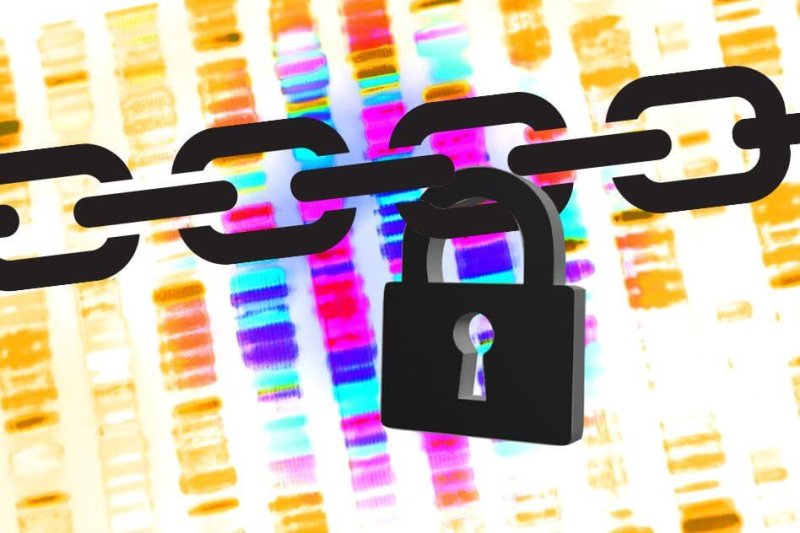
Credit: Christine Danlioff/MIT

If you’ve ever spit into a plastic tube or swabbed your cheek and mailed your saliva away to learn about your ancestry or health risks, you might have assumed that the company analyzing your DNA is legally required to keep your genetic data private. But you’d be wrong.

The Health Insurance Portability and Accountability Act, known as HIPAA, protects individuals’ medical information when it’s handled by doctors, hospitals, and health insurance companies. This applies to genetic tests ordered by your doctor but not to those you can buy online directly from companies like 23andMe and Ancestry because these kits aren’t considered medical tests. 

Mis- and disinformation are distorting science and public policy. Subscribe to our Daily and Weekly Digests for incisive coverage of ‘disruptive’ innovations in AI, agricultural biotechnology, food, chemicals, nuclear energy, vaccines, and other disruptive innovations.

That’s a problem, since genetic data can reveal all sorts of sensitive information about you—your ethnicity, your family connections, and even your likelihood of developing Alzheimer’s disease or certain cancers. Law enforcement officers are increasingly using consumer genetic databases to investigate violent crimes.
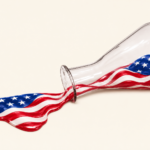

But a growing number of states are adopting genetic privacy laws in an effort to close these gaps. California became the latest on October 6 when Governor Gavin Newsom signed into law the Genetic Information Privacy Act, which puts restrictions on the data collected by direct-to-consumer DNA testing companies. 

This is an excerpt. Read the original post here.

Related Articles

Infographic: Global regulatory and health research agencies on whether glyphosate causes cancer

Infographic: Global regulatory and health research agencies on whether glyphosate causes cancer

Does glyphosate—the world's most heavily-used herbicide—pose serious harm to humans? Is it carcinogenic? Those issues are of both legal and ...

Most Popular

Neon Syringe Portrait with BPC-157
Viewpoint: Peptides and medical freedom: The MAHA obsession that can damage your health
ChatGPT-Image-Mar-10-2026-01_39_01-PM
Viewpoint—“Miracle molecule” debunked: Why acemannan supplements don’t work
Screenshot 2026-07-29 at 10.40
The COVID vaccine turbo cancer scare is back. Science still proves it’s wrong.
Screenshot 2026-10-27 at 10.32
“Do your own research”: What Medicare’s annual open enrollment circus teaches us about the seductive trap of DIY health and science
Screenshot 2026-10-20 at 1.37
Race against food rot: How AI and gene editing could slash fruit and vegetable waste
Screenshot-2026-10-21-at-11.30.51-AM
Viewpoint: Yes, our food system stinks, but the attack of ultra-processed foods is often misplaced
Screenshot-2026-10-30-at-11.20.30-AM
‘Silent killer’: Hepatitis B could surge under Trump–RFK Jr. rollback of newborn vaccine recommendations
Diet Soda with Measuring Tape 2
Science challenges anti-soda activists: No, sodas won’t make you fat
glp menu logo outlined

Get news on human & agricultural genetics and biotechnology delivered to your inbox.