Why we might need not annual COVID boosters

Credit: Globe and Mail

In many parts of the world, the variant’s record-breaking wave is receding. Having a bespoke vaccine in 100 days would have been an unprecedented accomplishment, but Omicron was simply “too fast” for a cooked-to-order shot to beat it, says Soumya Swaminathan, the chief scientist at the World Health Organization.

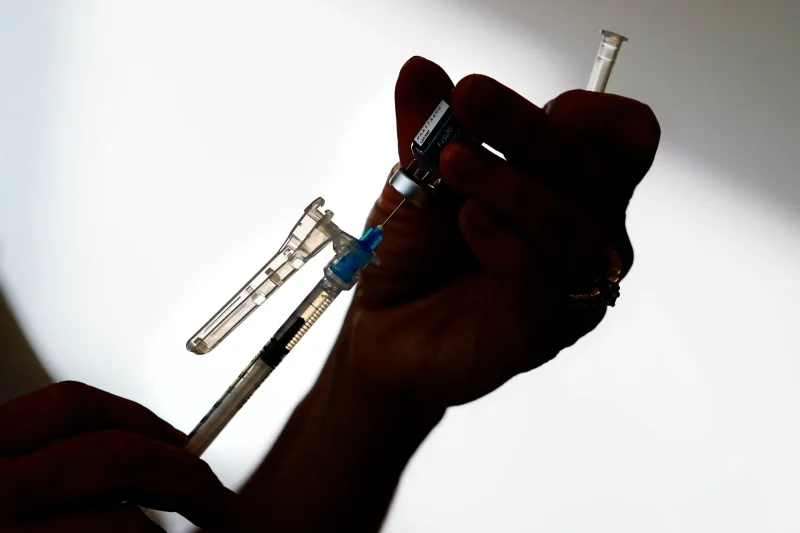
This time, all things considered, we got lucky: Our original-recipe vaccines still work quite well against the variant, especially when they’re delivered as a trio of jabs.

Follow the latest news and policy debates on sustainable agriculture, biomedicine, and other ‘disruptive’ innovations. Subscribe to our newsletter.

But Omicron won’t be the last antibody-dodging variant that splinters off of the SARS-CoV-2 tree—which means the vaccines, too, will need to keep coming.

Tough decisions are ahead about what triggers might prompt a whole new variant-specific vaccine campaign, and how we’ll manage the shift in time. That said, we don’t have to resign ourselves to a bleak future of infinite catch-up, with shots always lagging strains. Vaccine updates might not be that necessary that often, and when they are, we can poise ourselves to rapidly react. Rather than scrambling to sprint after SARS-CoV-2 every time it surprises us, we could watch the virus more closely, and use the intel we gather to act more deliberately.


This is an excerpt. Read the original post here. 

{{ reviewsTotal }}{{ options.labels.singularReviewCountLabel }}
{{ reviewsTotal }}{{ options.labels.pluralReviewCountLabel }}
{{ options.labels.newReviewButton }}
{{ userData.canReview.message }}

Related Articles

Infographic: Global regulatory and health research agencies on whether glyphosate causes cancer

Infographic: Global regulatory and health research agencies on whether glyphosate causes cancer

Does glyphosate—the world's most heavily-used herbicide—pose serious harm to humans? Is it carcinogenic? Those issues are of both legal and ...

Most Popular

Screenshot-2026-04-20-at-2.26.27-PM
Viewpoint — Food-fear world: The latest activist scientists campaign: Cancer-causing additives
Screenshot-2026-03-13-at-12.14.04-PM
The FDA wants to make many popular prescription drugs OTC—a great idea. Here’s why it’s unlikely to happen
ChatGPT-Image-May-1-2026-02_20_13-PM
How RFK, Jr.’s false vaccine claims are holding up $600 million to fight diseases in poor countries
Screenshot-2026-05-01-at-11.56.24-AM
‘Science moves forward when people are willing to think differently’: Memories of DNA maverick Craig Venter
Screenshot-2026-04-03-at-11.15.51-AM
Paraben panic: How a flawed study, media hype, and chemophobia convinced the public of the danger of one of the safest classes of preservatives
viva-la-vida-watermelons
Misinformation and climate change are endangering summer watermelons
Screenshot-2026-04-30-at-2.19.37-PM
5 myths about summer dehydration that could damage your health — or even kill you
ChatGPT-Image-Mar-27-2026-11_27_05-AM
The myths of “process”: What science says about the “dangers’ of synthetic products and ultra-processed foods
Screenshot-2026-05-04-at-12.54.32-PM
How Utah became the country’s supplement capital  — and a haven for unregulated, ineffective and fake products
Drinking lots of water can help reduce the effects of aging
Nanoplastics in drinking water: MAHA activists forge science-based bipartisan coalition 
ChatGPT-Image-Mar-10-2026-01_39_01-PM
Viewpoint—“Miracle molecule” debunked: Why acemannan supplements don’t work
glp menu logo outlined

Get news on human & agricultural genetics and biotechnology delivered to your inbox.